Disaster Recovery and Restoration in Metro Detroit and Southeast Michigan
Disaster recovery and restoration helps property owners respond quickly after water damage, mold growth, flooding, storm damage, sewage concerns, odor problems, indoor air quality issues, and contamination events. When a home or business is disrupted, the first priority is understanding what happened, what materials were affected, and what steps are needed to stabilize the property before the damage spreads.
Dr. Mold provides disaster recovery and restoration support for homeowners, businesses, property managers, landlords, buyers, sellers, and commercial clients across Metro Detroit and Southeast Michigan. If you are searching for disaster restoration near me, emergency restoration services, water damage restoration near me, mold restoration, flood cleanup, odor removal, or property recovery in Southeast Michigan, our team can help you take the right next step.
What is disaster recovery and restoration?
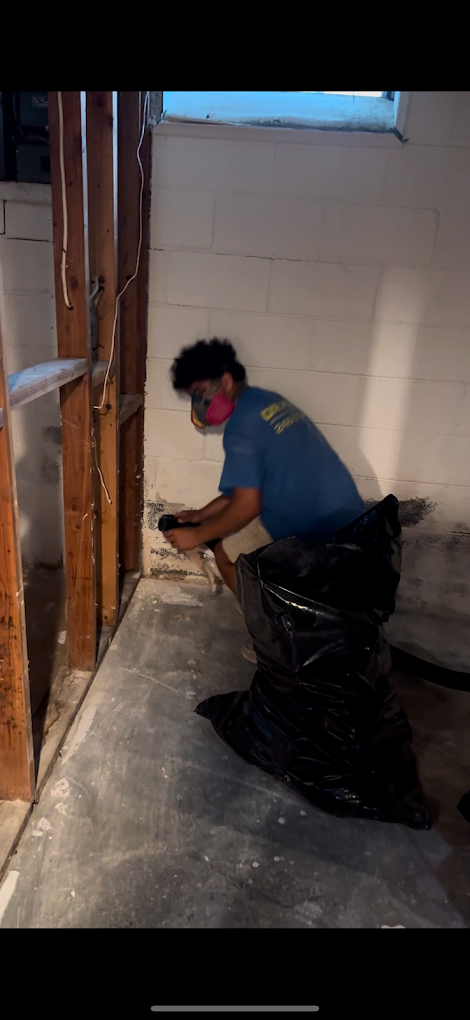
Disaster recovery and restoration is the process of helping a property recover after unexpected damage. This may include water intrusion, flooding, storm-related moisture, mold contamination, odor problems, sewage concerns, damaged contents, indoor air quality issues, or other events that affect the safety, cleanliness, and usability of the building.
A strong restoration plan starts with understanding the source of the problem. Water may have entered through a basement, roof, plumbing line, sump pump, appliance, foundation, or storm-related opening. Odor may be tied to moisture, contamination, ducts, contents, or hidden building materials. Mold may develop after materials stay wet or humidity remains elevated. Each issue needs the right sequence of inspection, mitigation, cleaning, removal, drying, deodorizing, testing, and prevention.
Dr. Mold helps property owners move from confusion to action with practical recommendations and connected restoration services.
When disaster restoration may be needed
Disaster restoration may be needed any time a property has been affected by water, moisture, mold, odor, contamination, or damage that cannot be safely handled with basic cleaning. Some events are sudden and obvious. Others develop slowly until the damage becomes visible through staining, odor, mold growth, warped materials, damp flooring, or air quality complaints.
Burst pipes, appliance leaks, roof intrusion, sump issues, and wet materials can lead to structural damage and mold risk.
Flooding can affect flooring, drywall, insulation, contents, basements, storage areas, and indoor conditions.
Mold can develop after leaks, humidity, condensation, poor ventilation, or water-damaged materials remain unresolved.
Contaminated water and unsanitary conditions may require specialty cleanup, odor treatment, and material removal.
Musty, smoke, water damage, microbial, and contamination odors often require source correction before deodorizing.
Businesses, landlords, and property managers often need fast recovery to limit downtime and restore occupancy.
A complete restoration plan, not a temporary patch
Disaster recovery is most effective when it solves the source of the problem instead of only cleaning what is visible. A wet basement may need drying, mold evaluation, basement waterproofing, odor treatment, and contents cleaning. A roof leak may require water damage restoration, attic ventilation review, mold remediation, and air quality support. A sewage backup may require biohazard remediation, water cleanup, contents decisions, and deodorization.
The recovery plan should account for affected building materials, contents, hidden moisture, odor, air movement, and future prevention. If only one part of the problem is handled, damage can return. That is why Dr. Mold connects services such as water damage restoration, mold remediation, air quality testing, odor removal, and contents cleaning into one clearer path.
The goal is to help you protect the property, reduce the chance of repeat problems, and restore confidence in the building.
Our disaster recovery and restoration process
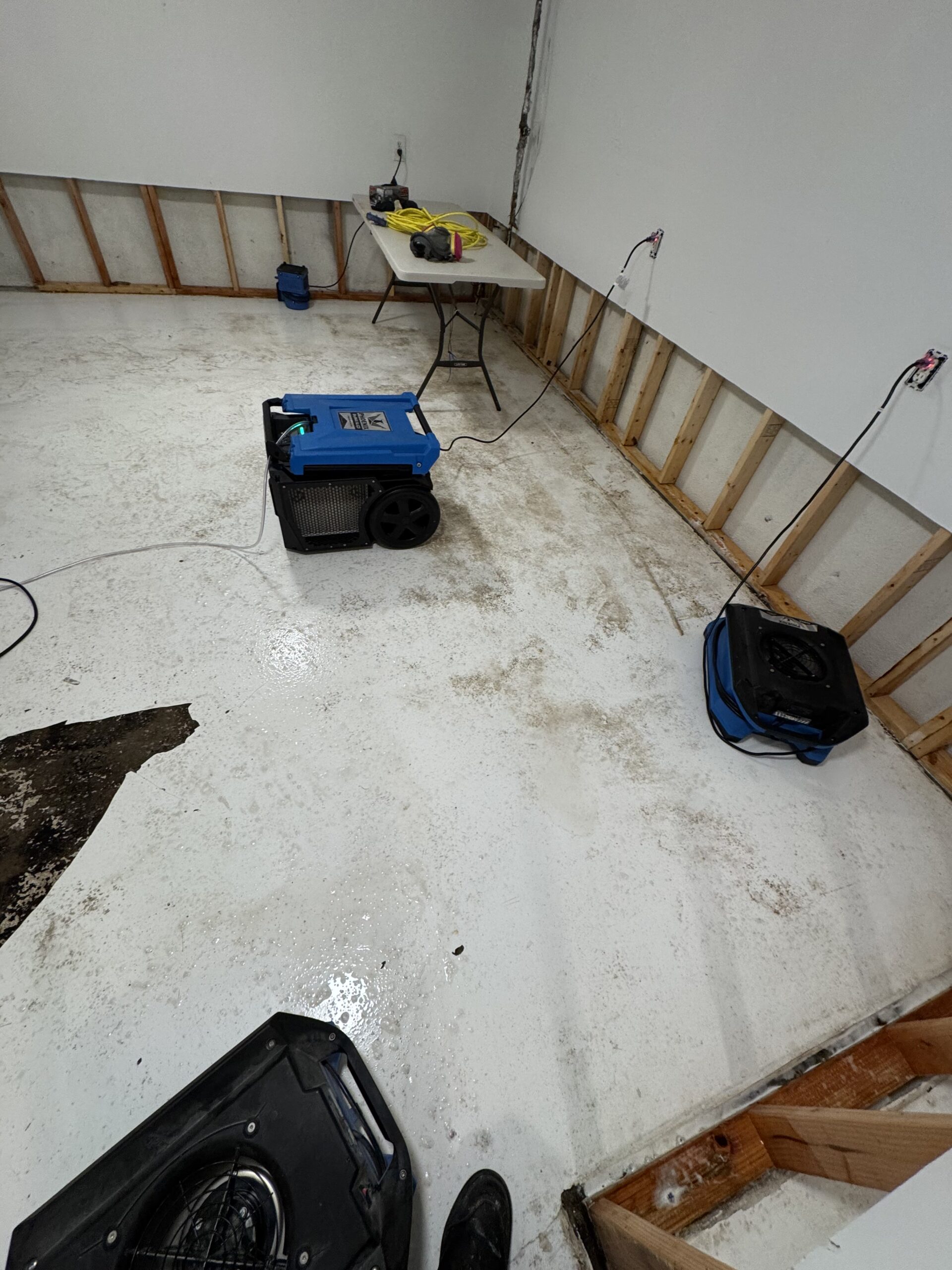
Every restoration project is different, but the process should feel organized. Dr. Mold helps you understand what is damaged, what needs immediate attention, what can be cleaned or restored, and what may require additional service.
Water damage recovery
Water damage is one of the most common reasons property owners need disaster restoration. Even a small leak can spread into drywall, flooring, trim, insulation, subfloors, cabinets, and contents. If materials stay wet, the chance of mold growth and odor increases. This is especially common in basements, utility rooms, kitchens, bathrooms, attics, and finished lower levels.
Dr. Mold provides water damage restoration and flood damage restoration support to help property owners reduce damage, protect materials, and lower the risk of secondary mold or odor problems.
Mold recovery after property damage
Mold often appears after moisture has been present long enough to affect building materials. A storm leak, plumbing failure, basement seepage, roof issue, crawl space moisture problem, or HVAC-related condensation concern can all create conditions where mold becomes part of the restoration project.
If mold is visible or suspected, Dr. Mold may recommend mold inspection, mold testing, or mold remediation as part of the disaster recovery plan.
Basement, flood, and moisture recovery
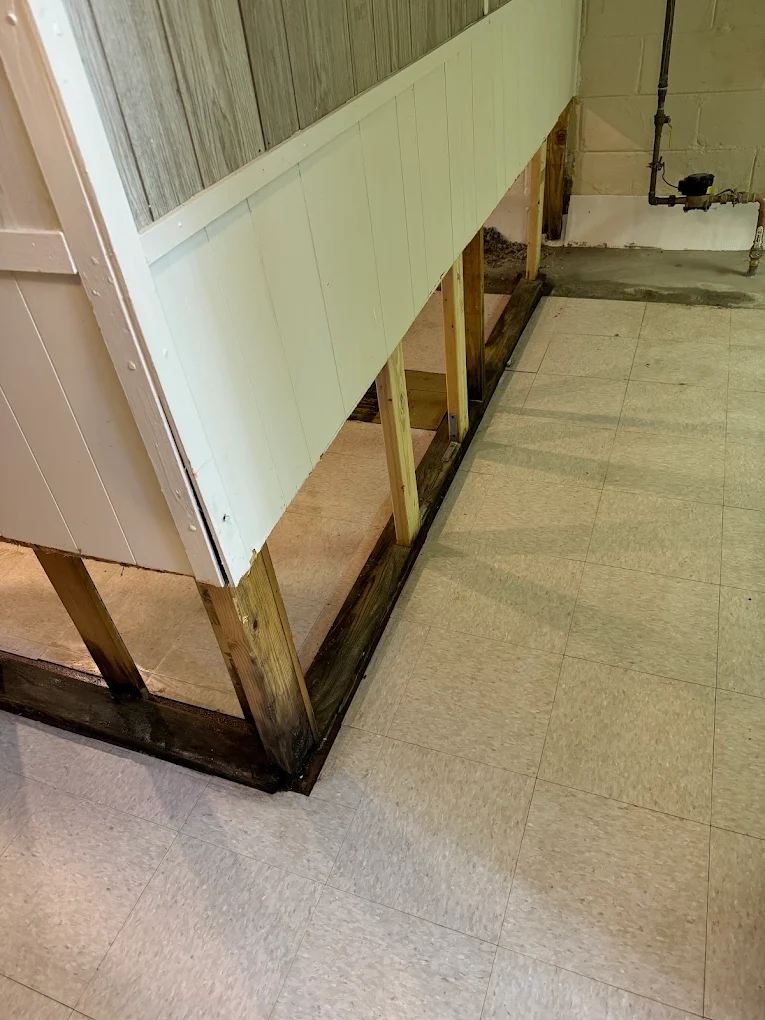
Basements are especially vulnerable during heavy rain, sump pump failures, foundation seepage, plumbing leaks, and spring thaw conditions in Southeast Michigan. Once water reaches a finished basement, it can affect carpet, flooring, drywall, trim, insulation, furniture, stored contents, and indoor air quality.
Disaster recovery for basement damage should consider both immediate cleanup and future prevention. If the water source is not addressed, the same problem can return. Depending on the property, this may involve basement waterproofing, moisture control, sump review, contents cleaning, odor removal, and mold remediation.
Dr. Mold helps connect the visible basement damage to the underlying cause so the recovery is more complete.
Odor, contents, and indoor air support after damage
Odor can remain after the visible damage is gone. Musty smells, smoke odor, water damage odor, sewage odor, pet odor, and stale air may settle into building materials, contents, ducts, carpets, furniture, and hidden areas. If the source is still present, odor can return after basic cleaning.
Dr. Mold offers odor and air-related services that may support disaster restoration, including odor removal, ozone and hydroxyl treatments, chlorine dioxide treatment, duct cleaning, and air quality testing.
If belongings were affected, contents cleaning may help determine what can be cleaned, what should be removed, and what should not be returned to a restored area.
Commercial and rental property disaster restoration
Disaster recovery is not only for homeowners. Businesses, landlords, property managers, and real estate professionals often need fast restoration support when a building, unit, or workspace is disrupted. Water damage, odor, mold, sewage, and contamination can affect tenant satisfaction, operations, showings, inspections, and occupancy timelines.
Dr. Mold helps residential, commercial, managed, and real estate-related properties across Southeast Michigan with clear communication and practical restoration planning. Whether the goal is reopening, listing, turning over a unit, protecting tenants, or restoring a usable workspace, the process starts with understanding the damage and choosing the right service sequence.
Why choose Dr. Mold for disaster recovery and restoration?
A disaster restoration company should understand more than one type of damage. Water, mold, odor, indoor air quality, and contents problems often overlap. Dr. Mold helps property owners identify the source, stabilize the property, and choose the services that match the real condition of the building.
Learn more about Dr. Mold on our About page, view completed projects in the Gallery, read customer Reviews, or request help through the Contact page.
Related restoration services
Fast help for leaks, wet materials, appliance failures, sump issues, roof intrusion, and storm damage.
Support for basement flooding, storm water, water intrusion, and flood-related property recovery.
Corrective service for visible mold, contamination, recurring musty odors, and moisture-damaged materials.
Helps reduce recurring leaks, seepage, musty basement odor, and moisture-related damage.
Addresses musty, mold, water damage, smoke, pet, stale air, and contamination odors.
Specialty cleaning and remediation for sewage, contamination, odor, and unsanitary conditions.
Serving Metro Detroit and Southeast Michigan
Dr. Mold provides disaster recovery and restoration services across Metro Detroit and Southeast Michigan, including Oakland County, Macomb County, Wayne County, Washtenaw County, Livingston County, and surrounding areas.
Service areas include Plymouth, Birmingham, Royal Oak, Troy, Novi, Livonia, Ann Arbor, Northville, Southfield, West Bloomfield, Sterling Heights, Farmington Hills, Rochester, Bloomfield Hills, Canton, Dearborn, Grosse Pointe, and nearby Southeast Michigan communities.
Frequently asked questions about disaster recovery and restoration
Need disaster recovery and restoration in Southeast Michigan?
If your home, business, rental, or managed property has been affected by water damage, flooding, mold, odor, contamination, or moisture problems, Dr. Mold can help you take the next step with professional restoration support.
Request service or send us a message
Use the form below to request an estimate, ask a question, or tell us more about your mold, water damage, inspection, or testing needs in Metro Detroit.
Need help now?
Call Dr. Mold for responsive help with mold remediation, water damage restoration, inspections, testing, and related service questions.
Call Now