Mold Remediation Process in Metro Detroit
If you have mold in your home or building, it helps to know what the next step looks like. The mold remediation process is designed to identify the problem, contain the affected area, remove damaged materials when needed, and address the moisture conditions that allowed mold to grow in the first place.
Dr. Mold helps homeowners and businesses across Metro Detroit and Southeast Michigan move through the remediation process with a clear plan. Whether the issue started with a leak, water damage, attic moisture, crawl space humidity, or visible mold growth, the goal is to solve the problem correctly and help prevent it from coming back.
Why the Mold Remediation Process Matters
Mold is usually a sign that moisture has been left unresolved. Cleaning the visible area alone is often not enough. If the source of the problem is still active, mold can return and continue affecting walls, ceilings, insulation, flooring, or other building materials.
A proper remediation process focuses on more than what you can see. It helps uncover the full condition of the space, reduce the spread of contamination, and connect the cleanup to the moisture issue behind it. If the problem still needs to be confirmed first, you may also want to visit Mold Inspection, Mold Testing, or Air Quality Testing.
How the Mold Remediation Process Works
The first step is understanding what is happening in the property. That may include visible mold, water damage, musty odors, staining, or recurring dampness in a basement, attic, crawl space, bathroom, or other affected area.
Mold needs moisture to grow. Finding the leak, humidity issue, or water intrusion point is one of the most important parts of the process.
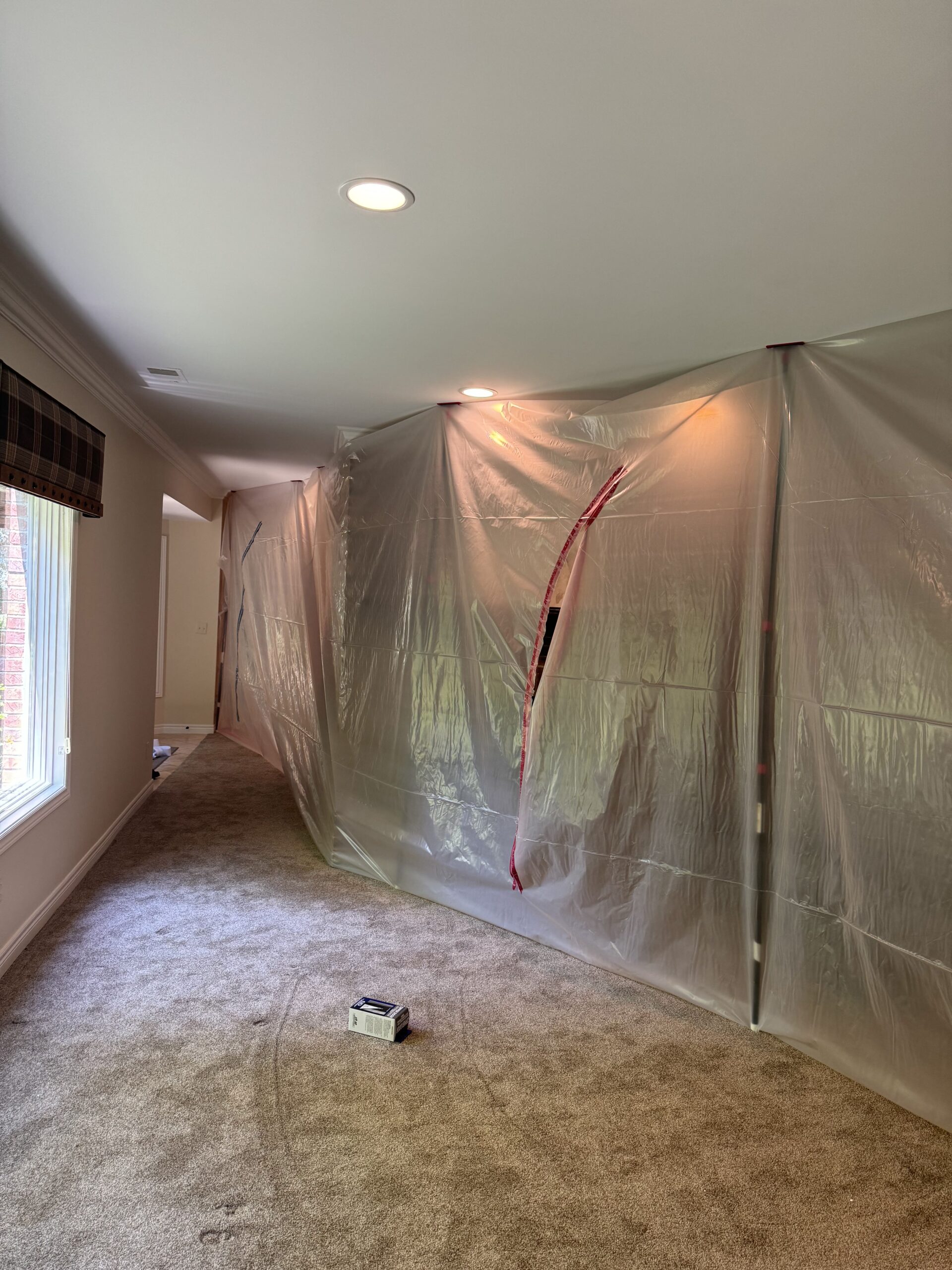
Containment helps reduce the chance of mold spreading into cleaner parts of the home or building while corrective work is underway.
Depending on the condition, drywall, insulation, trim, flooring, or other moisture-damaged materials may need to be removed or addressed.
The remaining surfaces are cleaned and addressed as part of the remediation effort so the affected area can move toward a healthier condition.
Long-term success depends on solving the moisture issue that led to the mold. In some cases, that also means support from Water Damage Restoration or related moisture-control services.
For Homes, Businesses, and Managed Properties
The mold remediation process can apply to both residential and commercial properties. In homes, the concern is often tied to basements, attics, crawl spaces, bathrooms, or hidden leaks behind walls. In commercial spaces, the issue may affect offices, retail areas, lower levels, utility rooms, storage spaces, or occupied areas where moisture problems have been left unresolved.
If you are looking for a service page tailored to your property type, visit Residential Mold Remediation or Commercial Mold Remediation.
Problems That Often Lead to Mold Remediation
One of the most common reasons for mold remediation is water damage that was not fully dried or corrected.
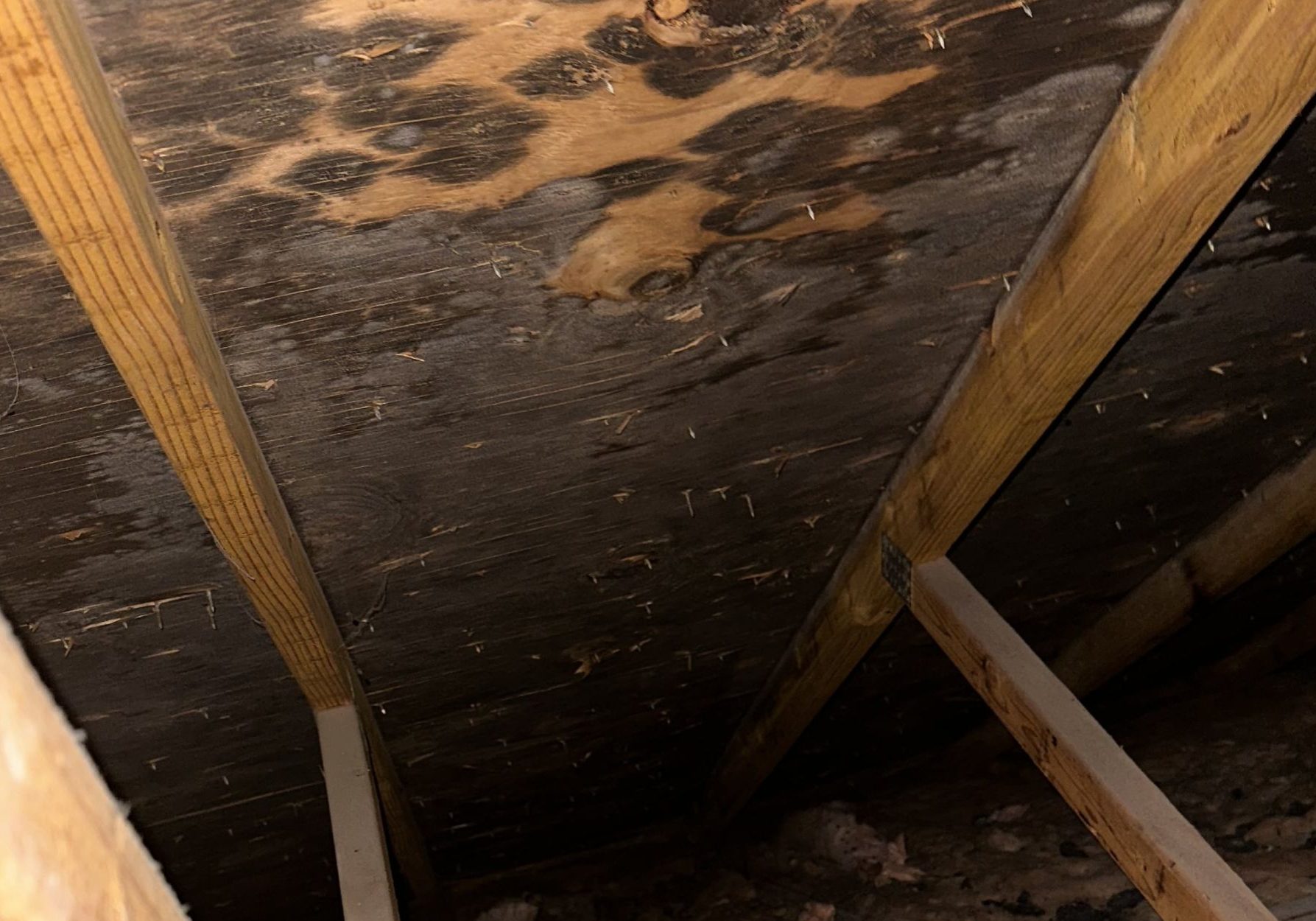
Roof leaks and poor ventilation can create the conditions for attic mold. Visit Attic Mold Removal for attic-specific service.
If you are seeing dark visible growth, visit Black Mold Removal for more information.
In some homes, controlling crawl space moisture is part of the long-term solution. Visit Vapor Barrier to learn more.
Related Mold Services
Depending on the condition of the property, the best next step may be one of these related services:
Mold Remediation Process in Southeast Michigan
Dr. Mold helps property owners across Metro Detroit and Southeast Michigan, including Oakland County, Wayne County, Macomb County, Washtenaw County, and Livingston County.
Visit our service areas page to view the locations we serve.
Need Help With Mold Remediation?
If you are dealing with visible mold, a musty odor, or moisture damage in your home or building, Dr. Mold can help you take the right next step with a clear plan and responsive service.
Get a Quote Call NowMold Remediation Process FAQs
What is the first step in mold remediation?
The first step is identifying the affected areas and understanding what moisture issue caused the mold to grow.
Do I always need mold testing before remediation?
Not always. If mold is already visible, remediation may be the next step. Testing is more useful when the issue is unclear or hidden.
Why is containment important?
Containment helps prevent mold from spreading into unaffected areas during the remediation process.
Can mold come back after remediation?
Yes, if the moisture source is not fixed. That is why solving the cause of the problem is essential.
Request service or send us a message
Use the form below to request an estimate, ask a question, or tell us more about your mold, water damage, inspection, or testing needs in Metro Detroit.
Need help now?
Call Dr. Mold for responsive help with mold remediation, water damage restoration, inspections, testing, and related service questions.
Call Now