Swab and Lift Mold Testing in Metro Detroit and Southeast Michigan
Swab and lift testing helps identify whether suspicious material on a surface is consistent with mold growth. If you found spots on drywall, framing, insulation, trim, furniture, basement materials, attic sheathing, or a surface affected by moisture, Dr. Mold provides targeted mold surface testing for homeowners, businesses, property managers, landlords, buyers, and sellers across Metro Detroit and Southeast Michigan.
If you are searching for mold swab testing near me, tape lift mold testing near me, surface mold testing in SE Michigan, or mold testing near me after finding visible growth, this service gives you clearer information before making the next decision.
What is swab and lift mold testing?
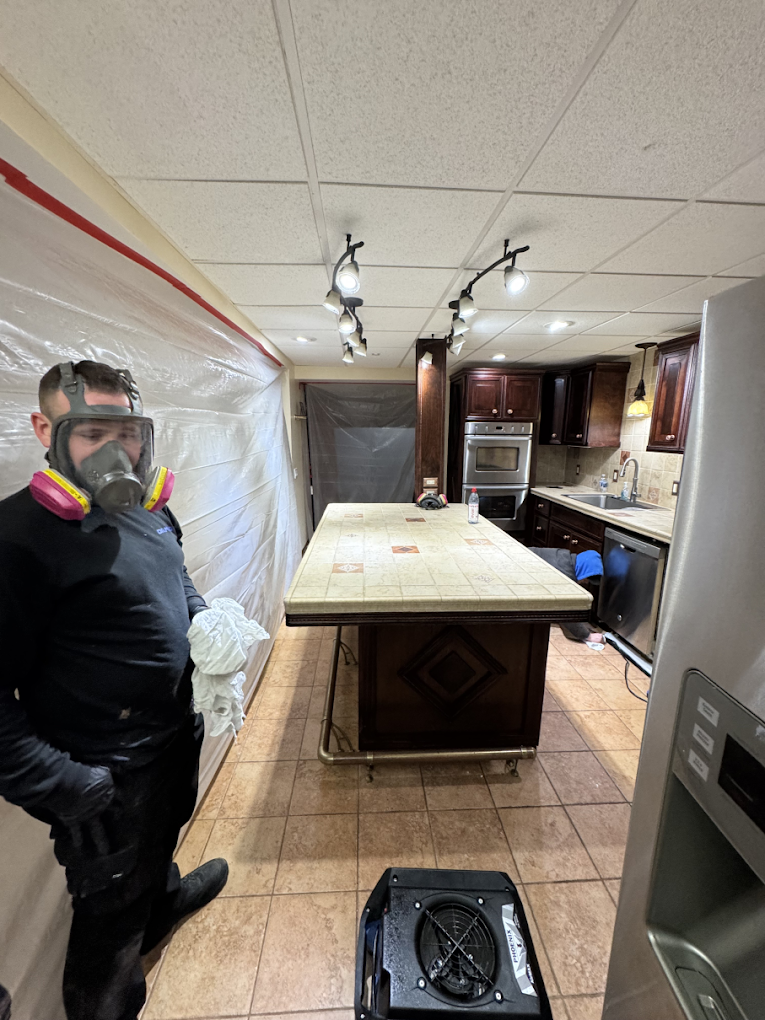
Swab testing and lift testing are surface mold testing methods used when there is a visible or suspected substance on a material. A swab test collects material from a defined surface area. A tape lift, sometimes called a lift test, uses adhesive sampling to collect surface particles from the area being evaluated. Both methods are commonly used when the main question is simple: is this material consistent with mold?
These tests are different from whole-property air sampling. Surface testing is focused on a specific spot, stain, growth pattern, or material. It is useful when the concern is visible, localized, or tied to a known moisture event. For example, a homeowner may see black spotting on basement drywall, discoloration on attic sheathing, growth near a window, or suspicious material on a cabinet after a leak.
Dr. Mold helps you choose the right testing path based on what you are seeing, where it is located, and whether the issue appears connected to moisture, water damage, humidity, condensation, or hidden building conditions.
When surface mold testing makes sense
Swab and lift testing is helpful when you need confirmation about a specific surface. It is often used after a leak, during a real estate concern, before or after remediation planning, when a tenant reports visible growth, or when a property owner wants documentation instead of guessing. In Southeast Michigan homes, common sampling areas include basements, crawl spaces, attics, bathrooms, laundry rooms, utility rooms, roof leak areas, window frames, HVAC-adjacent surfaces, and water-damaged finished spaces.
Testing can help document whether a suspicious material is consistent with mold growth.
Moisture-damaged drywall, trim, subflooring, and stored contents may need targeted evaluation.
Buyers, sellers, and agents may need clearer documentation before negotiating repairs or next steps.
Surface testing can help clarify visible concerns in rentals, offices, and managed properties.
Swab test vs lift test: which one is better?
The right method depends on the surface and the condition of the material. A swab test can be useful on irregular, uneven, dusty, or textured surfaces where a tape lift may not collect the material well. A lift test can be useful on relatively flat surfaces where particles can be lifted with adhesive contact. In many cases, the best choice is based on the surface type, the amount of material present, the location, and the reason the test is being performed.
Dr. Mold does not treat testing as a one-size-fits-all service. If surface testing is appropriate, we explain what the test can tell you, what it cannot tell you, and whether a broader mold inspection or air quality testing may also be needed.
What surface testing can and cannot tell you
Our surface mold testing process
The goal of surface mold testing is not just to collect a sample. The goal is to answer the right question. When Dr. Mold evaluates a swab or lift testing situation, we look at the property condition first so the test has useful meaning.
Why Metro Detroit properties often need mold surface testing
Homes and commercial buildings across Southeast Michigan face seasonal moisture challenges. Heavy rain, snowmelt, roof leaks, basement seepage, sump issues, plumbing failures, condensation, poor attic ventilation, crawl space dampness, and humidity can all create conditions where suspicious surface growth appears. In older homes, surface concerns may show up around lower-level walls, wood framing, window areas, and storage zones. In newer properties, a single leak or poor airflow issue can still create the same concern.
Surface testing is especially useful when you need clarity before deciding whether the issue is cosmetic, moisture-related, or part of a larger mold problem. Whether you are in Plymouth, Birmingham, Royal Oak, Troy, Novi, Livonia, Sterling Heights, Farmington Hills, Ann Arbor, Northville, Rochester, Bloomfield Hills, Grosse Pointe, Southfield, or West Bloomfield, Dr. Mold can help you move from uncertainty to a practical next step.
Related services and helpful resources
Explore testing options when you need more information about a suspected mold concern.
A good next step when visible growth may be connected to moisture, water intrusion, or hidden conditions.
Helpful reading if a musty smell is part of the concern.
Learn when odor, dampness, and indoor conditions should be taken seriously.
Frequently asked questions about swab and lift mold testing
Need swab or lift mold testing in Southeast Michigan?
If you found suspicious surface growth, staining, musty odor, or material that may be mold, Dr. Mold can help you get clear answers. Request service today for professional mold surface testing in Metro Detroit and Southeast Michigan.
Request service or send us a message
Use the form below to request an estimate, ask a question, or tell us more about your mold, water damage, inspection, or testing needs in Metro Detroit.
Need help now?
Call Dr. Mold for responsive help with mold remediation, water damage restoration, inspections, testing, and related service questions.
Call Now