Basement Waterproofing in Metro Detroit and Southeast Michigan
Basement waterproofing protects your home from water intrusion, foundation moisture, musty odors, mold growth, damaged flooring, ruined drywall, and long-term structural concerns. If you are dealing with basement leaks, seepage, damp walls, standing water, recurring humidity, or a musty smell below grade, Dr. Mold helps Metro Detroit property owners identify the source of the problem and move toward a practical waterproofing solution.
If you are searching for basement waterproofing near me, basement water damage repair, basement moisture control, foundation leak repair, or a waterproofing contractor in Southeast Michigan, our team provides clear guidance for homes, rental properties, commercial spaces, and real estate situations.
Why basement waterproofing matters
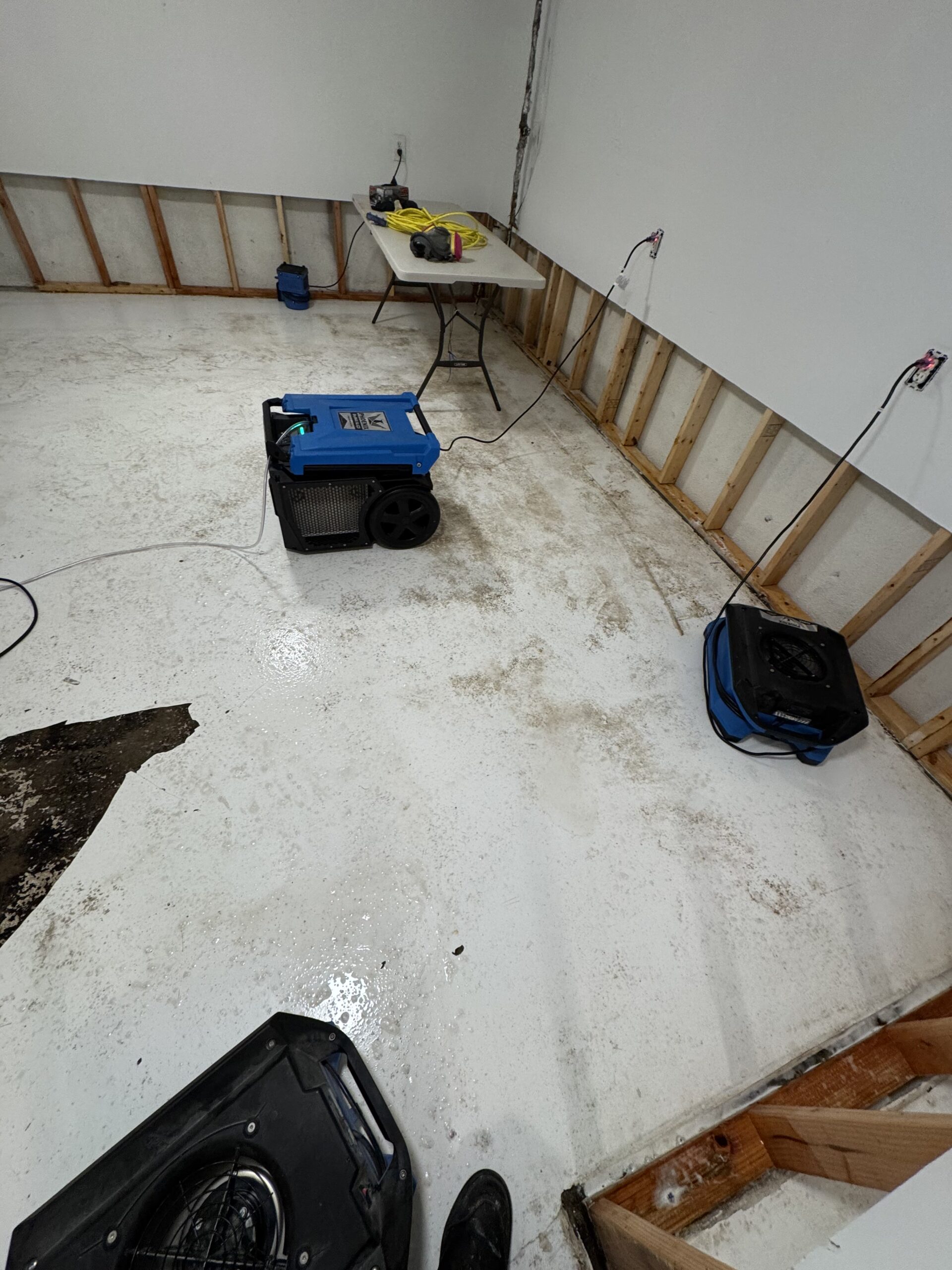
A wet basement is rarely just a cosmetic issue. Water intrusion can damage finished materials, weaken stored contents, create musty odors, contribute to mold growth, and make the lower level of your home feel uncomfortable or unusable. Even when water only appears during heavy rain, spring thaw, or certain weather patterns, the underlying moisture problem can continue affecting the home between visible events.
In Southeast Michigan, basement waterproofing is especially important because many homes have below-grade living areas, aging foundations, clay-heavy soils, seasonal freeze-thaw movement, sump systems, older drainage setups, and grading issues that can push water toward the foundation. When moisture enters a basement, it can affect concrete, block walls, framing, insulation, drywall, flooring, trim, furniture, and indoor air quality.
Dr. Mold approaches basement waterproofing with a practical goal: identify where the moisture is coming from, explain what is being affected, and recommend a solution that protects the property from recurring water and mold-related damage.
Signs your basement may need waterproofing
Basement water problems are not always obvious at first. Some property owners notice standing water immediately. Others only notice humidity, discoloration, musty odor, or mold after the issue has been developing for months. If you see any of the signs below, it may be time to schedule a basement waterproofing evaluation.
Puddles, seepage lines, or damp carpet after rain can point to foundation, drainage, or sump-related problems.
A musty smell often means moisture is trapped in building materials, contents, or hidden areas.
White chalky residue, staining, or dark marks can indicate moisture moving through masonry.
Basement mold often develops when water intrusion, damp air, or poor drying conditions are present.
Finished basements may show moisture problems through damaged paint, soft drywall, warped trim, or loose flooring.
A damp-feeling basement can create comfort problems and increase the chance of mold growth.
Common causes of basement water problems
Basement waterproofing works best when the solution is matched to the cause. Water can enter through cracks, porous masonry, cove joints, window wells, sump failures, hydrostatic pressure, grading problems, clogged gutters, downspout discharge, foundation gaps, or exterior drainage issues. In finished basements, the visible damage may be several feet away from the actual entry point.
Some basements only leak during major storms. Others stay damp year-round because the foundation or crawl space conditions allow moisture vapor to move into the home. That is why a waterproofing plan should consider both visible water and hidden moisture. If a property has recurring basement odor, mold, soft drywall, damaged flooring, or wet storage items, waterproofing may need to be paired with mold inspection, mold testing, or mold remediation.
A good basement waterproofing contractor should not simply cover the symptoms. The goal is to understand how water is reaching the basement and how to reduce the chance of repeat damage.
Basement waterproofing solutions we may recommend
Every basement is different. The right solution depends on the foundation type, where water is entering, how often it happens, how the basement is finished, and whether mold or water damage is already present. Dr. Mold helps you understand the most practical path forward.
Our basement waterproofing process
Basement waterproofing should feel organized and understandable. You should know what is happening, why it matters, and what the recommended solution is designed to accomplish.

Waterproofing finished basements
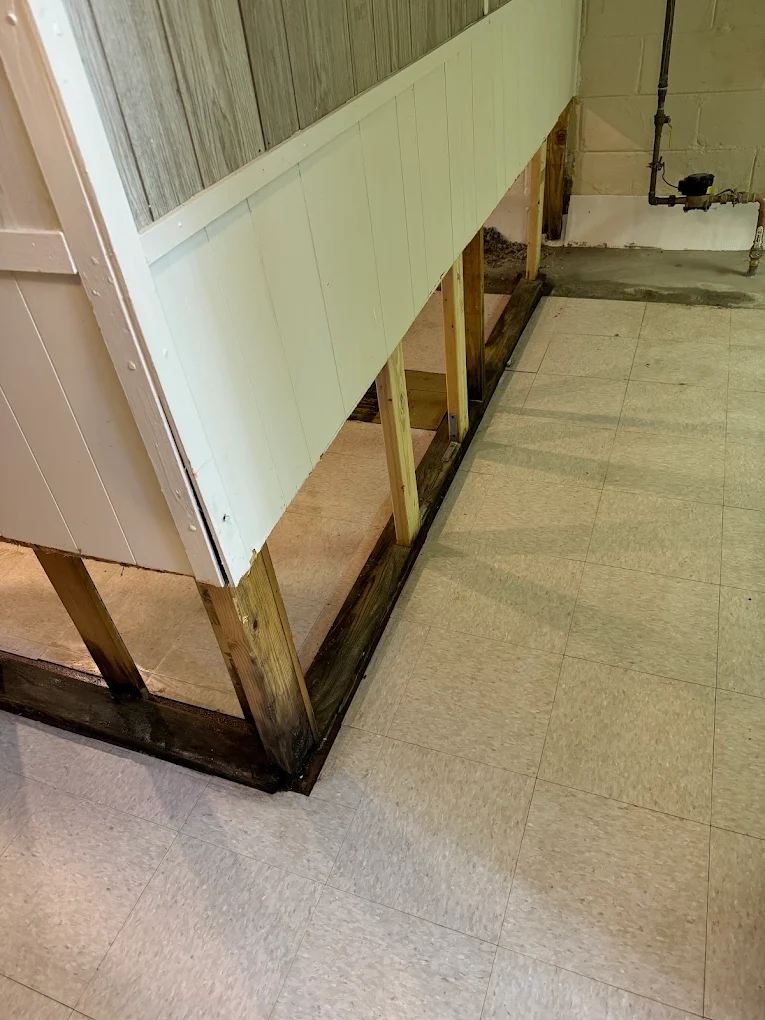
Finished basements need special attention because water can hide behind walls, under flooring, inside trim, and around built-in materials. By the time a homeowner notices a musty smell, staining, or warped flooring, moisture may already be affecting materials that cannot be fully seen from the room side.
If your finished basement has carpet, drywall, wood trim, paneling, cabinets, furniture, or stored belongings, waterproofing should be approached carefully. The solution may require separating what caused the water issue from what was damaged by the water issue. That distinction matters because stopping new water does not automatically remove existing mold, odor, or moisture-damaged materials.
Dr. Mold can help connect the dots between waterproofing, water damage restoration, odor concerns, and mold remediation so your basement is not just patched cosmetically but addressed with the bigger picture in mind.
Why choose Dr. Mold for basement waterproofing?
A basement waterproofing company should understand more than water alone. Basement moisture often connects to mold growth, indoor air quality, odor, damaged building materials, and long-term home health. Dr. Mold brings restoration, remediation, testing, and moisture-control experience together so property owners get a more complete view of what is happening below grade.
To learn more about Dr. Mold, visit About Us, read Reviews, browse the Gallery, or request help through the Contact Page.
Related services that may help protect your basement
Helpful when basement water has already affected drywall, flooring, trim, insulation, or stored belongings.
A key service when recurring basement moisture has caused visible mold or contamination.
Useful when you are not sure whether dampness, odor, or staining is connected to mold growth.
Helpful when basement odor or moisture may be affecting comfort and indoor environmental conditions.
Important for finished basements and below-grade living spaces throughout Southeast Michigan.
Supports moisture control in crawl spaces and other ground-contact areas.
Basement waterproofing across Metro Detroit
Dr. Mold serves basement waterproofing and moisture-control needs throughout Metro Detroit and Southeast Michigan, including Oakland County, Macomb County, Wayne County, and Washtenaw County. Whether your basement is unfinished, partially finished, fully finished, used for storage, or part of your daily living space, water intrusion should be addressed before it leads to more expensive damage.
We serve communities throughout the region, including Plymouth, Birmingham, Royal Oak, Troy, Novi, Livonia, Ann Arbor, Northville, Southfield, West Bloomfield, Sterling Heights, Farmington Hills, Rochester, Bloomfield Hills, Canton, Dearborn, Grosse Pointe, and surrounding Southeast Michigan areas.
Frequently asked questions about basement waterproofing
Need basement waterproofing in Southeast Michigan?
Do not let basement water, damp walls, musty odors, or mold risk continue damaging your home. Dr. Mold helps Metro Detroit property owners find practical waterproofing, moisture-control, and restoration solutions that protect the basement and the rest of the property.
Request service or send us a message
Use the form below to request an estimate, ask a question, or tell us more about your mold, water damage, inspection, or testing needs in Metro Detroit.
Need help now?
Call Dr. Mold for responsive help with mold remediation, water damage restoration, inspections, testing, and related service questions.
Call Now