Biohazard Remediation in Metro Detroit and Southeast Michigan
Biohazard remediation helps restore safer, cleaner property conditions after contamination events that require careful handling, sanitizing, odor control, and proper cleanup planning. When a home, business, rental property, managed building, or commercial space has been affected by biological contamination, sewage exposure, bodily fluid cleanup needs, odor, water damage, or other unsanitary conditions, professional remediation gives the property owner a clear path forward.
Dr. Mold provides biohazard remediation support for homeowners, businesses, landlords, property managers, real estate professionals, and commercial clients across Metro Detroit and Southeast Michigan. If you are searching for biohazard cleanup near me, biohazard remediation in Metro Detroit, sewage cleanup support, odor removal after contamination, or specialty cleaning in Southeast Michigan, our team can help you understand what needs to happen next.
What is biohazard remediation?
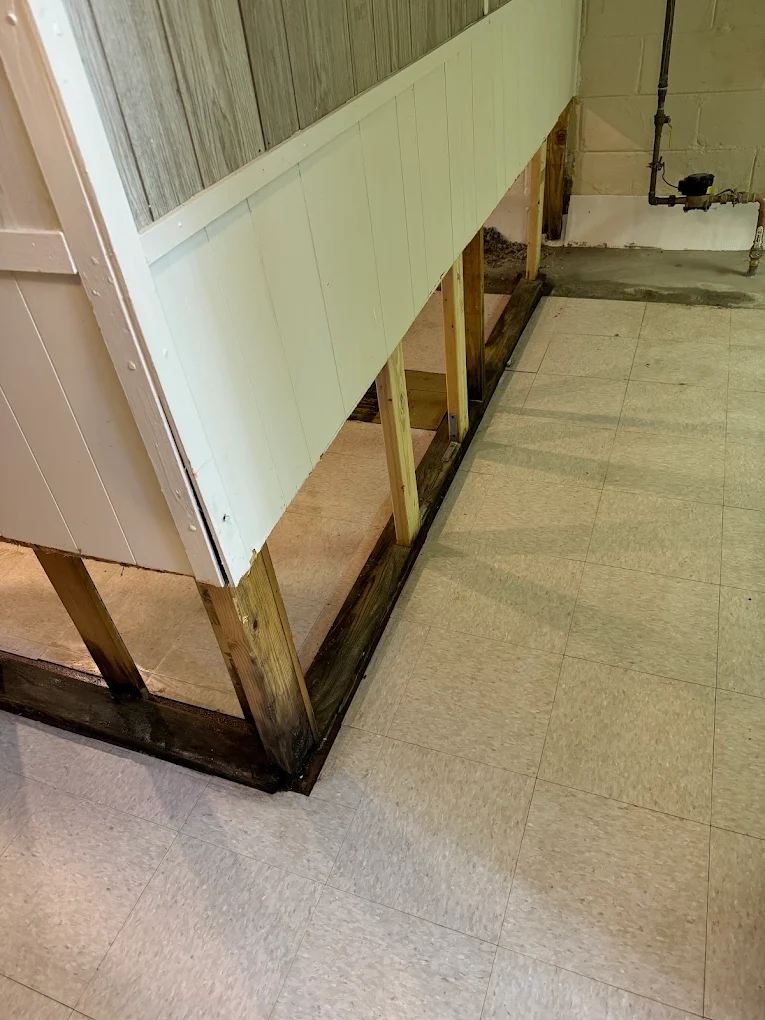
Biohazard remediation is the process of cleaning, sanitizing, deodorizing, and helping restore spaces affected by biological or potentially unsafe contamination. These situations may involve sewage backups, unsanitary water intrusion, bodily fluid cleanup, animal contamination, waste-related cleanup, odor concerns, or materials that require more than normal household cleaning.
The goal is to reduce exposure concerns, remove affected materials when needed, clean salvageable surfaces, control odor, and help the property move toward safe reoccupation. Biohazard remediation often overlaps with water damage restoration, odor removal, contents cleaning, duct cleaning, air quality concerns, and specialty sanitizing.
Dr. Mold approaches these situations with practical communication, respectful service, and a focus on restoring the property without making the process harder for the people involved.
When biohazard remediation may be needed
Biohazard remediation may be needed when a property has contamination that should not be handled with basic cleaning supplies. In many cases, property owners call after discovering an affected basement, bathroom, rental unit, vacant property, storage area, commercial space, or room with lingering odor and visible contamination. Other calls come after water damage, sewage intrusion, tenant turnover, estate situations, pest-related contamination, or a property inspection.
Sewage backups and contaminated water can affect flooring, walls, contents, odor, and indoor conditions.
Sensitive cleanup situations require careful handling, sanitizing, deodorizing, and respectful communication.
Animal waste, nesting, odors, and affected materials may require cleanup and odor treatment.
Properties that have been vacant or poorly maintained may need specialty cleaning before repair, sale, or occupancy.
Persistent odor may require source removal, contents cleaning, duct support, and professional odor treatment.
Landlords, businesses, and property managers may need help restoring units or workspaces after contamination events.
Why professional remediation matters
Biohazard conditions can affect more than the surface where contamination is visible. Liquids can reach porous materials. Odors can move into contents and air pathways. Contaminated dust can settle on nearby surfaces. Moisture can create mold risk if affected materials are not dried, cleaned, or removed correctly. That is why professional biohazard remediation looks at the surrounding area, not only the obvious spot.
A professional process helps reduce cross-contamination, separates salvageable from non-salvageable materials, identifies when related services may be needed, and provides a more organized path back to usable conditions. For property owners, this can be especially important when the space is a rental unit, business, listing, occupied home, or commercial area that needs documentation and clear next steps.
Dr. Mold can also help determine when biohazard remediation should be paired with water damage restoration, odor removal, contents cleaning, or air quality testing.
Biohazard cleanup after sewage or contaminated water
Sewage backups and contaminated water events require more caution than a clean water leak. The affected area may include flooring, baseboards, drywall, insulation, contents, storage items, and hidden spaces where moisture can remain. Even after standing water is gone, odor and contamination can remain in materials that absorbed moisture.
In these situations, cleaning should be paired with a plan for source control, material evaluation, drying, sanitizing, deodorizing, and disposal of non-salvageable contents or building materials when needed. If the event happened in a basement, utility room, bathroom, or finished lower level, the cleanup may also overlap with mold prevention and indoor air quality concerns.
Dr. Mold helps property owners move quickly and carefully after contamination events so the issue does not turn into a larger water damage, mold, or odor problem.
Our biohazard remediation process
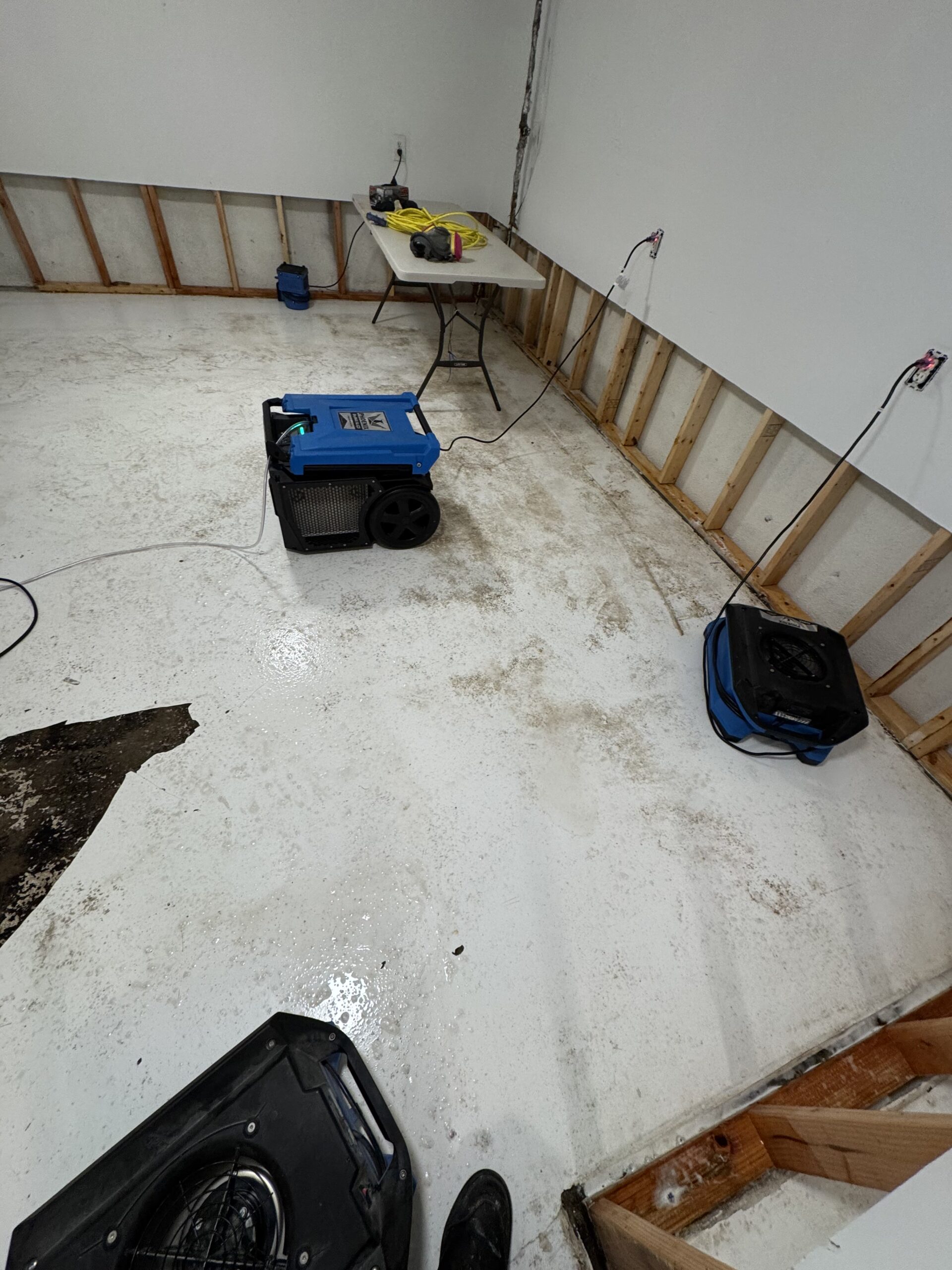
Every biohazard remediation situation is different, but the process should be organized and easy to understand. Dr. Mold focuses on practical next steps, safety-minded cleanup, and clear communication from the first call through completion.
Odor control after biohazard cleanup
Odor is one of the most common concerns after a biohazard or contamination event. Strong odors can settle into porous materials, contents, ductwork, flooring, drywall, and hidden areas. If the source is not removed or cleaned correctly, the smell can return after basic deodorizing.
Dr. Mold offers multiple odor-related services that may support biohazard remediation, including odor removal, chlorine dioxide treatment, ozone and hydroxyl treatments, duct cleaning, and HVAC sanitizing.
The best odor plan depends on the source, the affected materials, and whether the smell is localized or moving through the property.
Contents cleaning and material decisions
Biohazard remediation often involves more than floors and walls. Contents inside the affected area may also need to be evaluated. Hard, non-porous items may be cleanable depending on exposure. Porous items such as cardboard, fabric, paper, upholstered furniture, rugs, and unfinished wood may be more difficult to restore when they have absorbed liquids, odor, or contamination.
Dr. Mold can help separate items that may be cleaned from items that may need disposal or owner review. When contents are part of the project, contents cleaning may help reduce odor, dust, residue, and re-contamination risk after the affected area has been cleaned.
Biohazard remediation for homes, rentals, and businesses
Homeowners may need biohazard remediation after sewage backups, contamination events, animal-related issues, or situations where a room or basement can no longer be safely cleaned with normal methods. Landlords and property managers may need help restoring a rental unit after tenant turnover, neglect, odor, or unsanitary conditions. Businesses may need specialty cleaning so a workspace, storage area, restroom, utility space, or customer-facing area can return to usable condition.
Real estate professionals may also need biohazard cleanup before listing, inspection, closing, or occupancy. In these cases, speed and communication matter. Dr. Mold helps customers understand what is affected, what can be cleaned, what may need removal, and which related services may be needed before the property is ready for the next step.
Why choose Dr. Mold for biohazard remediation?
Biohazard remediation should be handled by a team that understands cleaning, contamination, odor, water damage, mold risk, contents, and indoor air quality. Dr. Mold brings restoration and remediation experience to sensitive cleanup situations across Southeast Michigan.
Learn more about Dr. Mold on our About page, view completed work in the Gallery, read customer Reviews, or request help through the Contact page.
Related services that may help
Helpful when contamination is connected to leaks, flooding, sewage, sump issues, or wet materials.
Useful when odors remain after contamination, moisture, smoke, waste, or unsanitary conditions.
Important when belongings, furniture, storage items, and hard goods are affected by odor or contamination.
A professional treatment option for stubborn odors and environmental concerns after contamination or microbial issues.
Helpful when cleanup connects to broader indoor environmental concerns.
Needed when contamination or water damage has also created mold growth or affected building materials.
Serving Metro Detroit and Southeast Michigan
Dr. Mold provides biohazard remediation and specialty cleanup support across Metro Detroit and Southeast Michigan, including Oakland County, Macomb County, Wayne County, Washtenaw County, Livingston County, and surrounding areas.
Service areas include Plymouth, Birmingham, Royal Oak, Troy, Novi, Livonia, Ann Arbor, Northville, Southfield, West Bloomfield, Sterling Heights, Farmington Hills, Rochester, Bloomfield Hills, Canton, Dearborn, Grosse Pointe, and nearby Southeast Michigan communities.
Frequently asked questions about biohazard remediation
Need biohazard remediation in Southeast Michigan?
If your home, business, rental, or managed property has been affected by contamination, sewage, odor, unsanitary conditions, or a sensitive cleanup situation, Dr. Mold can help you take the next step with professional remediation support.
Request service or send us a message
Use the form below to request an estimate, ask a question, or tell us more about your mold, water damage, inspection, or testing needs in Metro Detroit.
Need help now?
Call Dr. Mold for responsive help with mold remediation, water damage restoration, inspections, testing, and related service questions.
Call Now