Odor Removal in Metro Detroit and Southeast Michigan
Persistent odors can make a home or building feel uncomfortable, unhealthy, and difficult to use. Musty smells, mold odors, water damage odors, smoke-related smells, crawl space odors, basement odors, and stale air issues often point to a deeper source that surface cleaning alone cannot solve. Dr. Mold provides professional odor removal support for residential, commercial, rental, real estate, and property management situations across Metro Detroit and Southeast Michigan.
If you are searching for odor removal near me, musty smell removal, mold odor removal, basement odor removal, smoke odor treatment, or odor removal in Southeast Michigan, our team can help identify what may be causing the smell and recommend the right next step.
Professional odor removal starts with the source
Odor removal is not simply spraying fragrance into a room. A lasting result depends on finding and addressing the source of the odor. In many properties, stubborn smells are caused by moisture, mold growth, wet building materials, contaminated contents, HVAC buildup, crawl space conditions, basement humidity, smoke residue, water damage, or previous cleanup that did not fully resolve the issue.
A musty smell, for example, may be connected to damp drywall, hidden mold, wet carpet padding, attic sheathing, crawl space moisture, old water damage, or items stored in a basement. Smoke and contamination odors can also settle into porous materials, contents, ductwork, and surfaces. That is why effective odor removal often combines inspection, cleaning, treatment, drying, filtration, deodorization, and indoor air quality support.
Dr. Mold helps customers move beyond masking the smell. We focus on what may be causing the odor, what materials or areas are affected, and which service makes the most sense for the property.
When odor removal may be needed
Odor removal is often needed when normal cleaning does not fix the smell or when the odor returns after a room is aired out. Recurring odors usually mean something is still present in the property, whether that is moisture, microbial growth, contaminated dust, affected contents, or residue in porous materials.
Basement odors often come from damp materials, humidity, stored contents, foundation moisture, or hidden mold.
A mold-like odor may require inspection, testing, remediation, or targeted treatment before deodorizing.
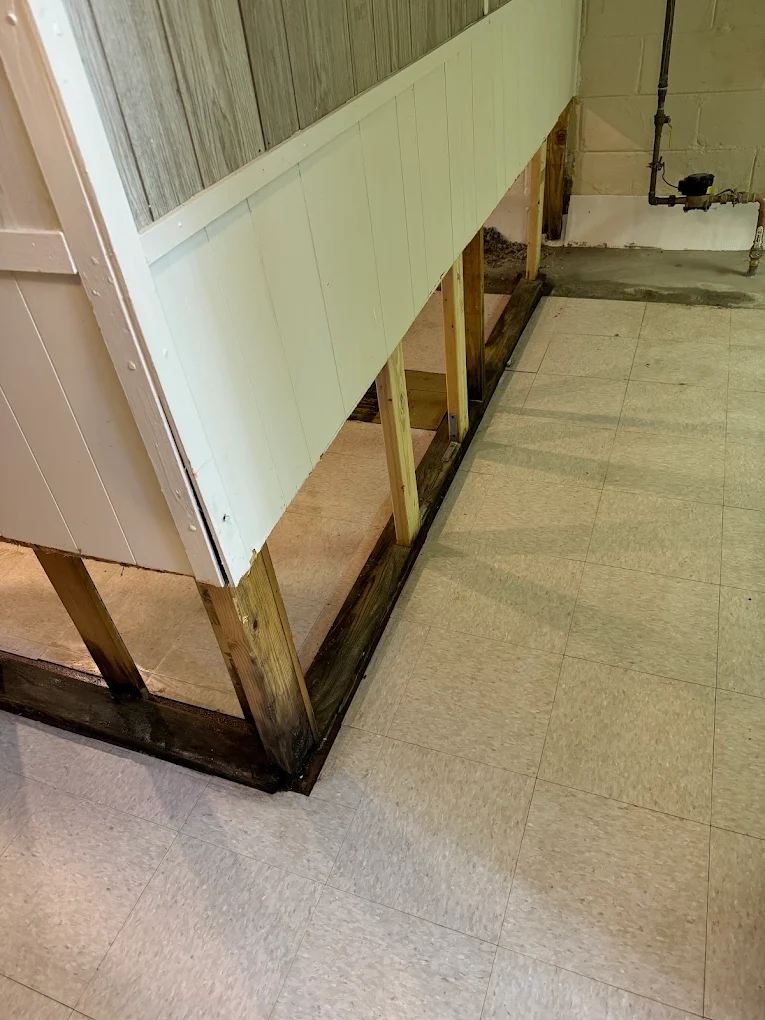
Leaks, floods, sump failures, and wet materials can create lingering odors even after visible water is gone.
Odors that appear when the system runs may be connected to dust, debris, moisture, or contamination in airflow pathways.
Smoke, cooking, fire-related residue, and long-term stale air can settle into surfaces and belongings.
Odor removal can help buyers, sellers, landlords, and property managers address smells before listing, turnover, or occupancy.
Common odors we help address
Not every odor has the same cause. The smell may be isolated to one room, strongest near a basement or crawl space, tied to the HVAC system, or spread throughout the property. Understanding the pattern helps determine whether the issue is surface-level or connected to a deeper condition.
Our odor removal process
The right odor removal plan depends on the source, severity, materials affected, and whether the property also has mold, water damage, dust buildup, or air-quality concerns. Dr. Mold uses a practical process to help customers avoid wasting time on temporary coverups.
Chlorine dioxide treatment for stubborn odors
Some odor problems cannot be solved with surface cleaning alone. Dr. Mold offers chlorine dioxide treatment as a professional deodorization option for stubborn odors and environmental concerns. This type of treatment is commonly used after water damage, microbial growth concerns, smoke-related odors, and persistent musty smells.
Chlorine dioxide can be useful when odor-causing compounds have reached areas traditional cleaning may miss. It is not a shortcut for ignoring mold, moisture, or damaged materials. The best results happen when the source is understood first and treatment is used as part of the correct restoration plan.
Ducts, contents, and surfaces can hold odors
Odors can travel through a property in more than one way. Dust and debris in vents can affect how a home smells when the HVAC system runs. Stored belongings can absorb musty smells in basements, crawl space access areas, attics, and garages. Porous materials such as cardboard, upholstered furniture, carpet, curtains, documents, and unfinished wood can hold odor long after the original moisture problem started.
That is why odor removal may need to be paired with duct cleaning, contents cleaning, or air quality testing. A room may be cleaned, but if contaminated contents or dusty ductwork continue recirculating odor, the smell may return.
Why choose Dr. Mold for odor removal?
Odor removal is strongest when handled by a team that understands mold, moisture, water damage, air quality, duct systems, and restoration cleaning. Dr. Mold helps Metro Detroit property owners identify the likely source of the odor and connect the right services instead of relying on fragrance, quick sprays, or temporary masking.
Learn more about Dr. Mold on our About page, view our Gallery, read Reviews, or contact us through our Contact page.
Related services that may help remove odors
Professional treatment for stubborn odor and contamination concerns after water damage, microbial growth, smoke, or musty smells.
Helpful when odors, stale air, dust, or debris may be moving through the HVAC system.
Important when belongings, furniture, storage items, or porous contents are holding odor.
Needed when musty odors are connected to active mold growth or contaminated materials.
Useful when odor is caused by wet materials, leaks, sump failures, flooding, or incomplete drying.
Helpful when odors come with comfort concerns, airborne particles, or indoor environmental questions.
Odor removal across Metro Detroit and Southeast Michigan
Dr. Mold provides odor removal, deodorization, mold-related odor support, duct cleaning, air quality services, and restoration solutions across Metro Detroit and Southeast Michigan. We help property owners in Oakland County, Macomb County, Wayne County, Washtenaw County, Livingston County, and surrounding communities.
Service areas include Plymouth, Birmingham, Royal Oak, Troy, Novi, Livonia, Ann Arbor, Northville, Southfield, West Bloomfield, Sterling Heights, Farmington Hills, Rochester, Bloomfield Hills, Canton, Dearborn, Grosse Pointe, and nearby Southeast Michigan communities.
Frequently asked questions about odor removal
Need professional odor removal in Southeast Michigan?
If your home or business has a musty smell, mold odor, water damage odor, stale air issue, smoke odor, or recurring smell that will not go away, Dr. Mold can help you find the source and choose the right solution.
Request service or send us a message
Use the form below to request an estimate, ask a question, or tell us more about your mold, water damage, inspection, or testing needs in Metro Detroit.
Need help now?
Call Dr. Mold for responsive help with mold remediation, water damage restoration, inspections, testing, and related service questions.
Call Now