Post Remediation Verification in Southeast Michigan
Post remediation verification, also called mold clearance testing or PRV, helps confirm whether a mold remediation project was completed properly before a home, business, basement, attic, crawl space, or contained work area is put back into normal use. If you recently had mold removed, the cleanup is not truly complete until the space has been visually reviewed, evaluated for remaining moisture concerns, and tested where appropriate.
Dr. Mold MI provides post remediation verification services for homeowners, property managers, real estate professionals, landlords, buyers, sellers, and commercial property owners across Metro Detroit and Southeast Michigan. Our goal is simple: help you move forward with confidence after remediation by checking whether the affected area appears clean, dry, and ready for the next step.
What is post remediation verification?
Post remediation verification is the review performed after mold remediation work has been completed. It is used to help determine whether the work area meets the intended cleanup goals before reconstruction begins, containment is removed, or the property owner considers the project finished. Many people search for this service as mold clearance testing, mold clearance inspection, post mold remediation testing, mold remediation verification, PRV testing, or clearance testing after mold removal.
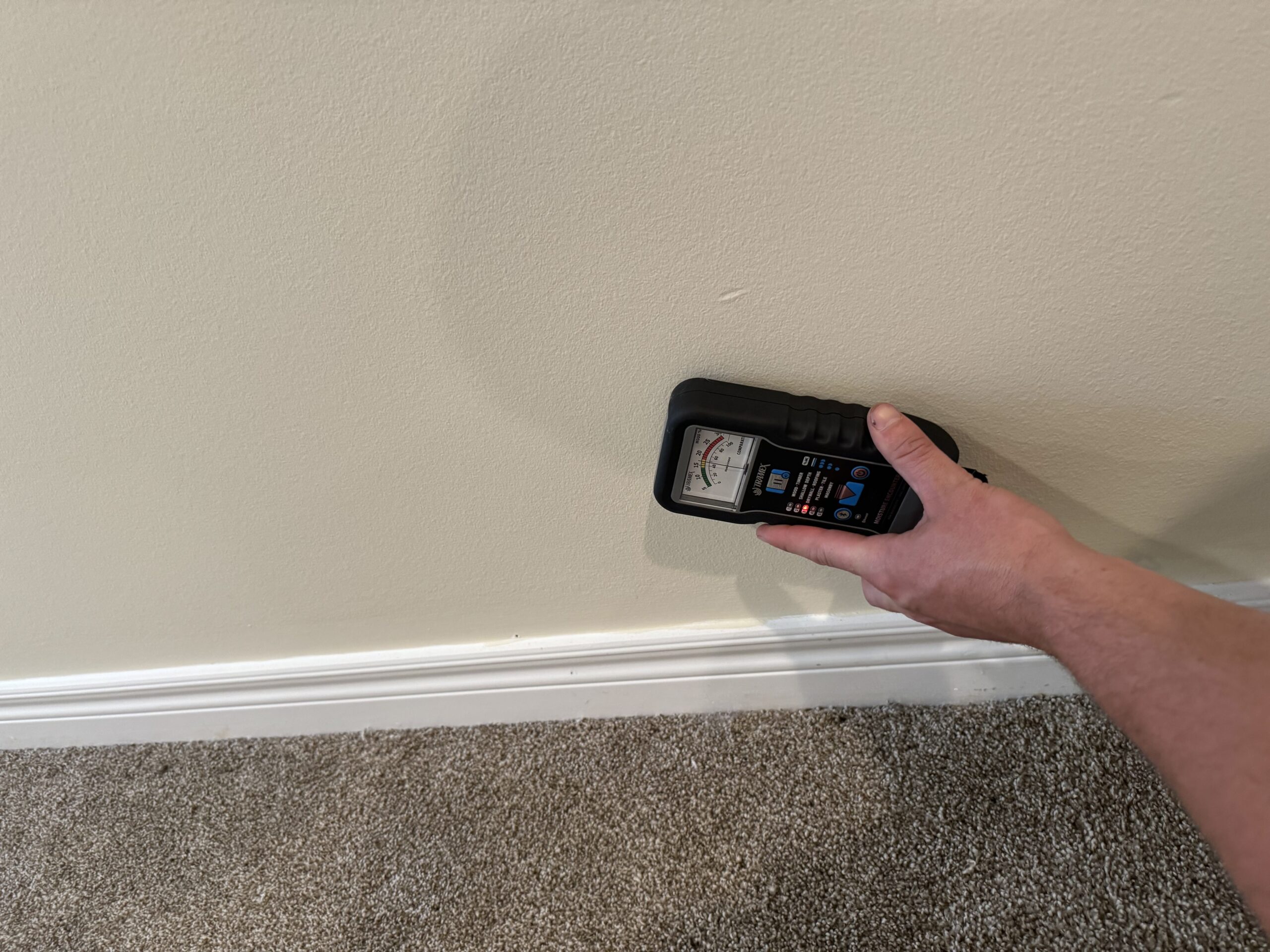
The purpose is not to redo the remediation work. The purpose is to verify the condition of the space after the work has been performed. This can include a visual inspection of the remediated area, checking for dust or debris, confirming that affected materials were removed or cleaned as planned, identifying remaining moisture concerns, and collecting air or surface samples when testing is appropriate.
In Southeast Michigan, PRV is especially important because basements, crawl spaces, attics, roof leaks, foundation moisture, plumbing failures, and seasonal humidity can all contribute to mold problems. A room may look better after remediation, but verification helps answer the bigger question: is the area actually ready to move forward?
Why mold clearance testing matters after remediation
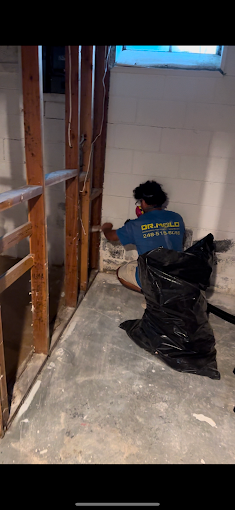
Mold remediation is designed to remove contaminated materials, clean affected surfaces, correct the moisture source, and reduce mold-related contamination inside the work area. But property owners often need documentation and confidence after the cleanup. That is where post remediation verification becomes valuable.
Without verification, a homeowner or property manager may not know whether hidden moisture remains, whether visible residue is still present, whether the containment area was cleaned properly, or whether additional work is needed before repairs begin. PRV helps reduce uncertainty and creates a clearer stopping point between remediation and rebuilding.
This is especially helpful for finished basements, rental properties, real estate transactions, insurance-related projects, commercial buildings, and any situation where someone needs more than a verbal “it is done.”
When you may need post remediation verification
Verification helps confirm whether the affected area appears clean, dry, and ready for reconstruction or normal use.
Once drywall, insulation, flooring, or trim goes back in, unresolved mold or moisture problems become harder to access.
Buyers, sellers, agents, and lenders may want documentation that a mold issue was addressed.
Landlords and property managers often need a clearer record before returning a unit or work area to use.
Lower levels and attic spaces commonly involve humidity, ventilation, leaks, insulation, and hidden moisture concerns.
If a musty smell, staining, dust, or dampness remains after remediation, PRV can help identify whether more work is needed.
What Dr. Mold MI looks for during PRV
A proper post remediation verification visit focuses on whether the remediated area appears to meet the cleanup goals. The exact process depends on the property, the scope of remediation, the size of the affected area, the type of materials involved, and whether testing is needed.
Post remediation verification process
The PRV process should be clear and practical. Dr. Mold MI helps property owners understand what is being reviewed, why it matters, and what the next step should be.
Post remediation verification vs. mold testing
Mold testing is often performed before remediation when a property owner needs to understand whether mold is present, where the concern may be located, or whether indoor air conditions need further evaluation. Post remediation verification happens after remediation and focuses on whether the cleanup appears complete.
In simple terms, mold testing answers, “Do we have a mold-related concern?” Post remediation verification answers, “Was the mold remediation project completed well enough to move forward?” Both services can involve sampling, but the purpose is different.
If you are not sure which service you need, Dr. Mold MI can help you choose between mold inspection, mold testing, air quality testing, or post remediation verification based on where you are in the process.
Why PRV is important before reconstruction
One of the biggest mistakes after mold remediation is rebuilding too quickly. Once new drywall, trim, insulation, flooring, cabinets, or ceiling materials are installed, it becomes much harder to see whether the underlying area was fully addressed. If a moisture problem remains behind new materials, mold can return and the property owner may have to open the area again.
Post remediation verification creates a checkpoint between cleanup and rebuild. For homeowners, it provides peace of mind. For contractors, it helps clarify whether the space is ready for repairs. For real estate transactions, it can provide a stronger record that the issue was not simply covered over.
This is why PRV is often requested after basement mold remediation, attic mold remediation, crawl space cleanup, water damage-related mold removal, commercial mold projects, and remediation work performed before a sale or lease.

Who uses post remediation verification?
PRV is useful for anyone who needs confidence after mold remediation. Homeowners use it before moving belongings back into a room or rebuilding finished spaces. Property managers use it before turning over a rental unit. Commercial property owners use it before employees, customers, or tenants return to the affected area.
Real estate professionals also rely on verification when mold was discovered during inspection, appraisal, disclosure, or due diligence. In those situations, buyers and sellers often need more than a repair invoice. They want a clearer indication that the problem was addressed and the space was reviewed after cleanup.
Whether you are protecting a family home, managing a commercial property, preparing a house for sale, or documenting remediation work for a tenant, post remediation verification can help create a more reliable closeout process.
Related services that may help
Professional mold cleanup for homes and businesses when contamination has already been identified.
Learn how containment, removal, cleaning, drying, and cleanup typically work before verification.
Useful before or after remediation when documentation and clearer information are needed.
Helpful when odor, indoor air concerns, or broader environmental questions remain after cleanup.
Important when mold started after a leak, flood, plumbing failure, appliance issue, or wet building materials.
May help in odor-focused situations when indoor environmental concerns remain after cleanup.
Helpful standards and guidance
Mold remediation and post remediation verification should be approached with care because the goal is not cosmetic improvement. The goal is to address contamination, moisture, and conditions that can allow the problem to return.
For additional educational information, property owners can review the EPA mold cleanup resources, the EPA guide on mold cleanup in your home, and the IICRC S520 Standard for Professional Mold Remediation.
These resources are useful because they reinforce the same basic idea: mold cleanup should address moisture, contamination, and affected materials. Post remediation verification helps confirm whether the project appears ready to close out.
Serving Metro Detroit and Southeast Michigan
Dr. Mold MI provides post remediation verification, mold testing, air quality testing, mold remediation, and water damage restoration services across Metro Detroit and Southeast Michigan. We help homeowners and businesses in Oakland County, Wayne County, Macomb County, Washtenaw County, and surrounding communities get clearer answers after mold cleanup.
Service areas include Royal Oak, Birmingham, Troy, Novi, Livonia, Ann Arbor, Northville, Southfield, West Bloomfield, Sterling Heights, Plymouth, Canton, Farmington Hills, Bloomfield Hills, Rochester, Rochester Hills, and nearby Southeast Michigan communities.
If you are not sure whether your property needs mold clearance testing, mold inspection, or another service, contact Dr. Mold MI and we will help you choose the right next step.
Frequently asked questions about post remediation verification
Need mold clearance testing after remediation?
If mold remediation was recently completed and you want clear next-step guidance before rebuilding, selling, renting, or reopening the space, Dr. Mold MI can help. Request post remediation verification in Metro Detroit or Southeast Michigan today.
Request service or send us a message
Use the form below to request an estimate, ask a question, or tell us more about your mold, water damage, inspection, or testing needs in Metro Detroit.
Need help now?
Call Dr. Mold for responsive help with mold remediation, water damage restoration, inspections, testing, and related service questions.
Call Now