Mold in Air Ducts: Signs, Causes and How to Get Rid of It
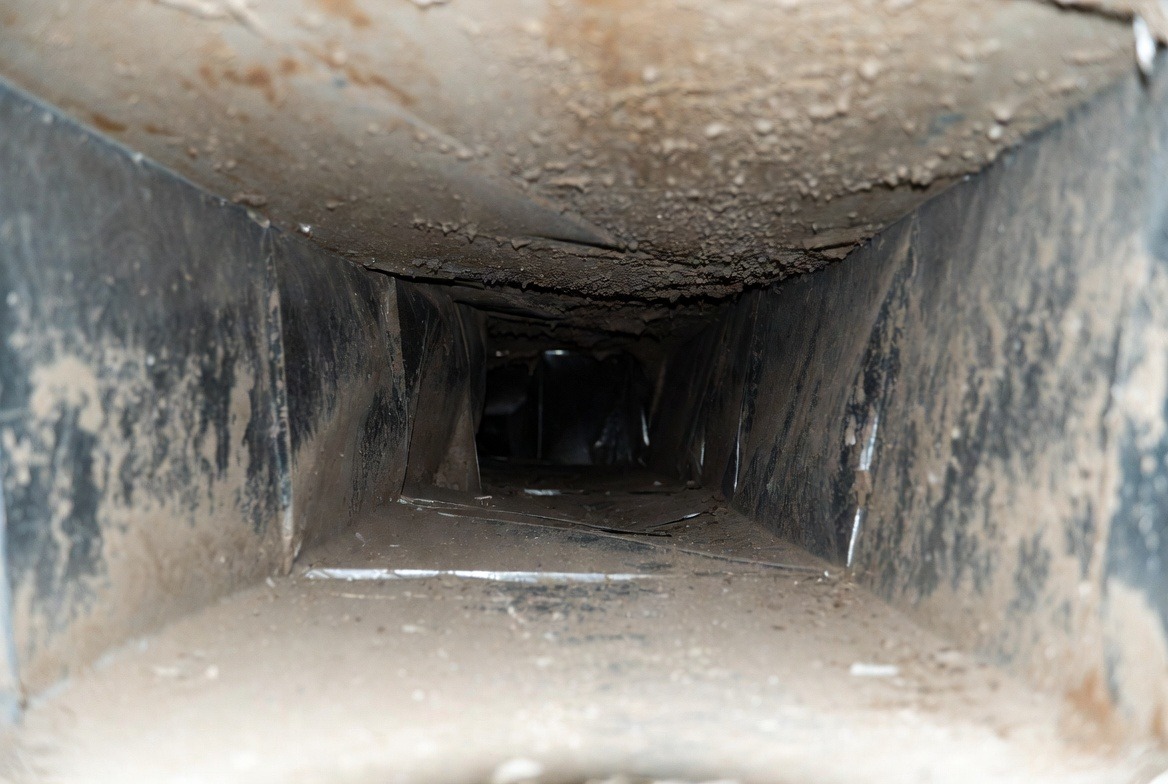
Your HVAC system moves air through every room in the house, so mold in the ductwork is a problem worth taking seriously. Moisture inside ducts and around the air handler gives mold a place to grow, and the blower can carry spores and musty odors through the home every time the system runs.
Dr. Mold helps homeowners and businesses across Oakland, Macomb and Wayne County find out whether there is mold in the HVAC system, fix the moisture causing it, and clean and sanitize the ductwork.
Quick answer: Mold in air ducts is usually caused by moisture from AC condensation, high indoor humidity, or leaky ducts running through damp attics, crawl spaces or basements. Getting rid of it means confirming the mold, fixing the moisture source, cleaning the ductwork and HVAC components, and sanitizing the system. Cleaning alone will not last if the moisture problem stays.
Calls answered 24 hours a day, 7 days a week.
Signs of Mold in Your Air Ducts
- A musty smell that gets stronger when the heat or AC turns on
- Dark spots or dust that looks fuzzy around supply vents and return grilles
- Visible growth on the air handler, evaporator coil area or drain pan
- Allergy-like symptoms that seem worse when the system runs
- Condensation or sweating on ductwork in the basement, attic or crawl space
- A recent water leak or flood near the furnace or ductwork
Dark dust around a vent is not always mold. When you are not sure, air quality testing or swab and lift testing can confirm what it is.
What Causes Mold in Ductwork?
Cooling pulls moisture out of the air. A clogged drain line or dirty coil can leave standing water near the air handler.
Humid summers and damp basements keep moisture in the air that moves through the ducts.
Ductwork in crawl spaces, attics and basements can sweat, and leaky seams pull in damp, dusty air.
Flooded basements and leaks often reach the furnace, returns and lower duct runs.
Systems that cycle on and off quickly cool the air without removing enough humidity.
Built-up dust inside ducts holds moisture and gives mold something to feed on.
Is Mold in Air Ducts Dangerous?
Mold in the HVAC system can spread spores and musty odors through the whole house, and people with allergies, asthma or other sensitivities may notice it more. It is also a sign that there is a moisture problem in or around the system. It should be checked and handled, not ignored or covered up with air fresheners or vent filters.
How Mold Is Removed From Air Ducts
- Confirm the problem. We inspect the system and, when needed, use air quality testing to confirm mold and see how widespread it is.
- Fix the moisture source. Condensation, drainage, humidity or leaks need to be addressed, or the mold comes back.
- Clean the ductwork. Duct cleaning removes dust, debris and growth from the supply and return ducts.
- Sanitize the system. HVAC sanitizing treats the system after cleaning to address remaining contamination and odor.
- Treat lingering odor. When musty odor has spread through the home, odor removal options such as chlorine dioxide treatment can help.
- Address the source area. If the mold started in a basement, crawl space or attic, that area is cleaned up as well, for example with crawl space mold removal.
Can I Clean Mold Out of Air Ducts Myself?
Wiping visible spots off a vent cover does not remove mold inside the ductwork, and spraying household cleaners into ducts can spread growth or damage the system. Duct mold needs the right equipment to clean the full length of the ducts and the moisture source fixed. Changing your furnace filter regularly and keeping indoor humidity in check are the best things you can do between professional cleanings.
Air Duct Mold Removal Near You
We help with mold in air ducts and HVAC systems throughout Oakland, Macomb and Wayne County, including:
See all service areas.
Mold in Air Ducts FAQs
How do I know if there is mold in my air ducts?
Common signs are a musty smell when the system runs, fuzzy dark spots around vents, visible growth near the air handler, and allergy-like symptoms that get worse with the HVAC on. Testing can confirm it.
What causes mold in air ducts?
Moisture. It usually comes from AC condensation, high indoor humidity, ducts running through damp crawl spaces or basements, or water damage near the HVAC system.
Can duct cleaning remove mold?
Duct cleaning removes mold growth and debris from the ducts, and HVAC sanitizing treats what remains. The moisture source must also be fixed or the mold returns.
Is it safe to run the HVAC if there is mold in the ducts?
Running the system can move spores and odor through the home. Have it checked as soon as possible and follow the guidance you get for your situation.
Do you answer calls after hours?
Yes. Dr. Mold answers calls 24 hours a day, 7 days a week at (248) 697-2200.
Think There Is Mold in Your Ducts?
Dr. Mold can check your HVAC system, find the moisture causing it, and clean and sanitize the ductwork.
Get a Quote Call (248) 697-2200Calls answered 24 hours a day, 7 days a week.
Request service or send us a message
Use the form below to request an estimate, ask a question, or tell us more about your mold, water damage, inspection, or testing needs in Metro Detroit.
Need help now?
Call Dr. Mold for responsive help with mold remediation, water damage restoration, inspections, testing, and related service questions.
Call Now