Water Damage Restoration in Southeast Michigan
Water damage restoration gives you a clear path forward when water has disrupted your home or building. Whether you are dealing with a burst pipe, roof leak, storm intrusion, sump problem, basement water, or wet building materials after an unexpected event, fast action matters. For property owners across Metro Detroit and Southeast Michigan, professional water damage restoration helps reduce further damage, protect indoor conditions, and get the property moving back toward normal.
At Dr. Mold MI, we help homeowners, business owners, property managers, buyers, sellers, landlords, and commercial clients respond to water-related property damage with practical guidance and responsive service. If you are searching for water damage restoration near me, trying to understand how serious wet materials may be, or worried that moisture may turn into a larger issue, we help you take the right next step quickly.
What water damage restoration is and why it matters
Water damage restoration is the process of responding to unwanted water in a home or building, addressing damaged materials, reducing moisture levels, and helping restore safer, more stable conditions inside the property. The service often begins with identifying where the water came from, understanding what materials have been affected, and acting quickly enough to reduce the chance of deeper structural or environmental problems developing over time.
This matters because water does not need much time to create larger issues. Drywall, trim, flooring, insulation, subfloors, framing, and stored contents can all be affected when moisture gets into the wrong place. Even when the visible water is gone, wet materials and trapped moisture may remain. That is when property owners start worrying about swelling, warping, odor, staining, hidden dampness, and whether mold could become part of the problem next.
Across Metro Detroit, Oakland County, Macomb County, Wayne County, and Washtenaw County, water damage restoration is often needed because of plumbing failures, basement water intrusion, roof leaks, storm events, ice issues, sump pump problems, and long-standing moisture conditions that finally become visible. The goal is simple. Stop the problem from getting worse, restore the affected area responsibly, and help you understand what comes next.
When someone may need water damage restoration
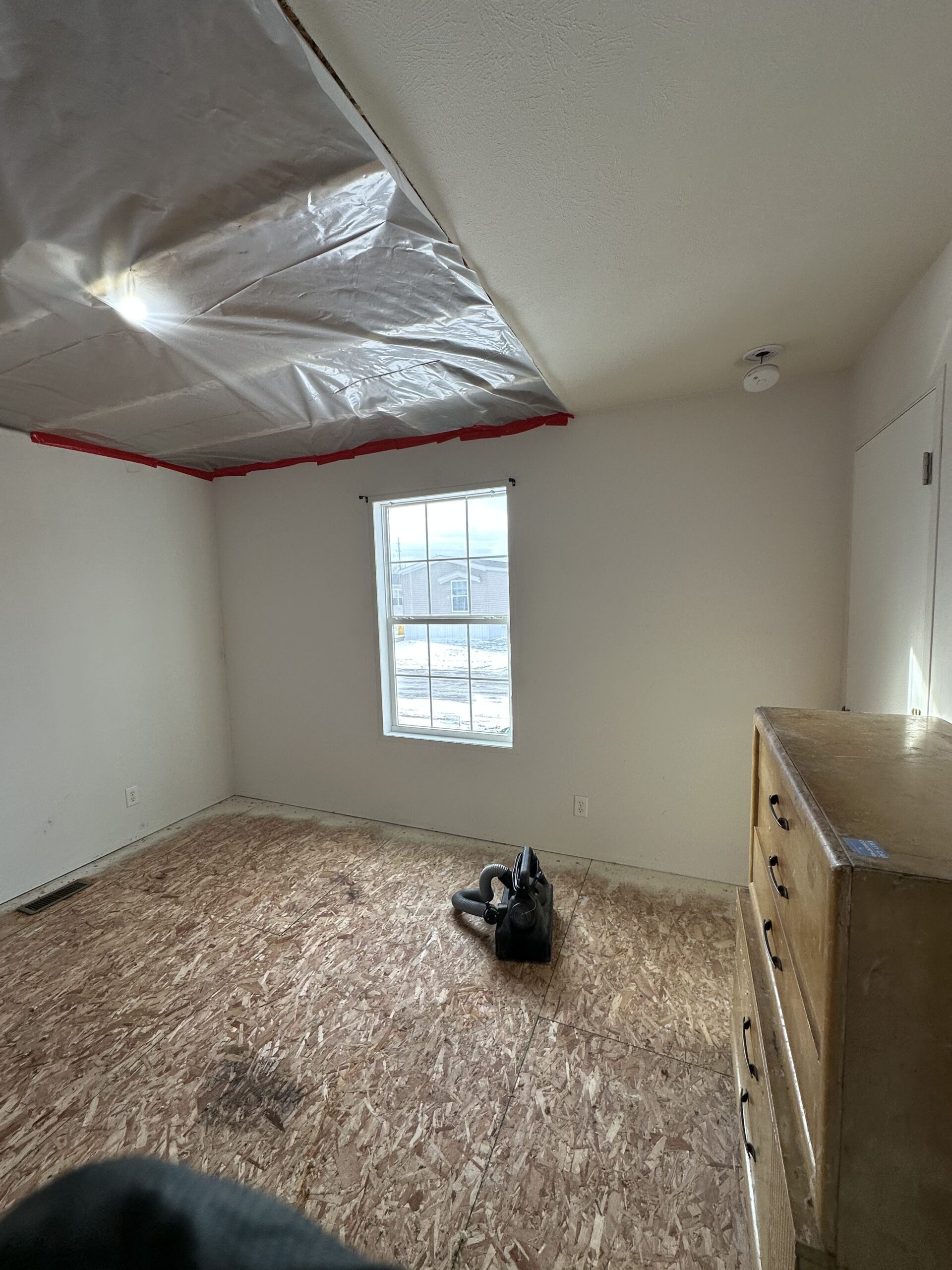
Many people search for water damage restoration near me after a sudden event. A pipe bursts overnight. A water heater leaks. Heavy rain creates basement seepage. A roof issue lets water into the attic or upper floor. A sump failure leaves standing water where there should not be any. These are obvious situations where restoration is needed quickly.
Other situations are less dramatic but still important. There may be staining on ceilings or walls, persistent dampness in a lower level, flooring that has started to buckle, an area that feels humid after a leak, or concern that hidden moisture is trapped behind materials. Restoration may also be needed after a property inspection, before listing a home, after tenant complaints, or when a business needs a practical plan to deal with water-related disruption.
In simple terms, water damage restoration is often needed whenever water has affected the structure, materials, or indoor conditions enough that waiting could make the problem worse.
Signs you may need water damage restoration
Water on floors, around walls, or in basement spaces is a clear sign that immediate action is needed.
Water marks, discoloration, or bubbling paint can point to an active or recent moisture issue behind the surface.
Wood, trim, baseboards, drywall, and other materials often show visible movement after absorbing moisture.
Lingering odor after water exposure may suggest wet materials are still present or the area never fully dried.
Roof leaks and poor venting can affect insulation, ceilings, framing, and indoor conditions if ignored.
Water in lower levels can quickly affect flooring, drywall, stored items, air quality, and long-term property condition.
What kinds of homes and buildings commonly need restoration
Water damage restoration can be needed in nearly any type of property. Older homes with basements often need it because of foundation moisture, aging plumbing, roof wear, and lower-level seepage. Newer homes can need it too, especially when sudden appliance failures, pipe breaks, flashing problems, or hidden leaks affect finished spaces before the issue is discovered.
Commercial buildings, offices, rental properties, multi-unit spaces, attics, crawl spaces, and finished basements are all common places where restoration becomes important. In some cases, the water event is obvious. In others, a smaller issue goes unnoticed until materials begin to stain, swell, smell, or affect indoor conditions. That is why fast evaluation matters even when the damage does not look severe at first glance.
Water damage restoration is not only about dramatic flooding. It is also about responsibly addressing the quieter moisture issues that can create bigger problems if they are left unresolved.
How the water damage restoration process works
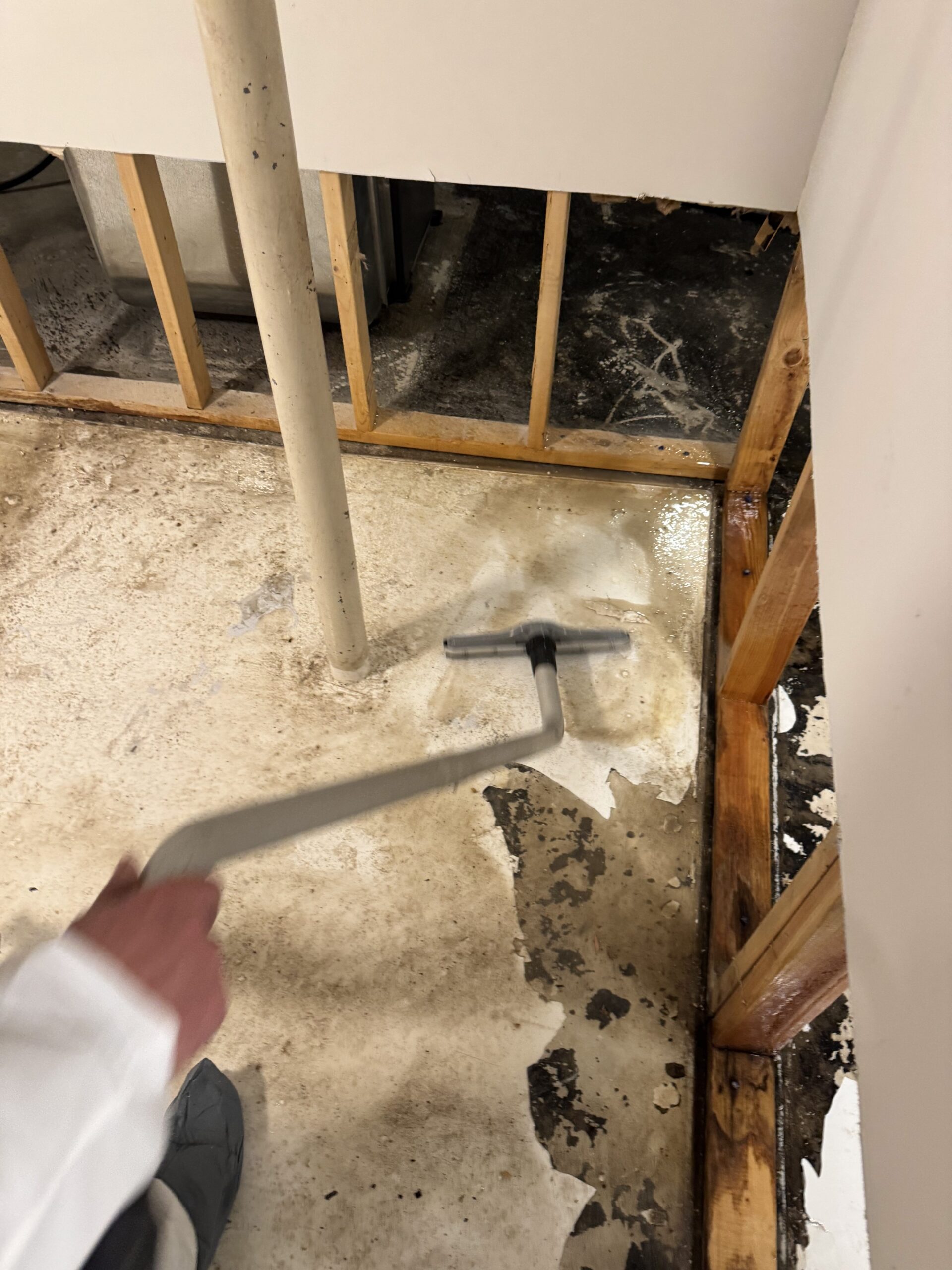
A good restoration process should feel organized, responsive, and easy to understand. The goal is not just to react to the water you can see. It is to understand what has been affected, reduce ongoing moisture exposure, and help the property recover in a practical way.
Why quick action matters after a water event
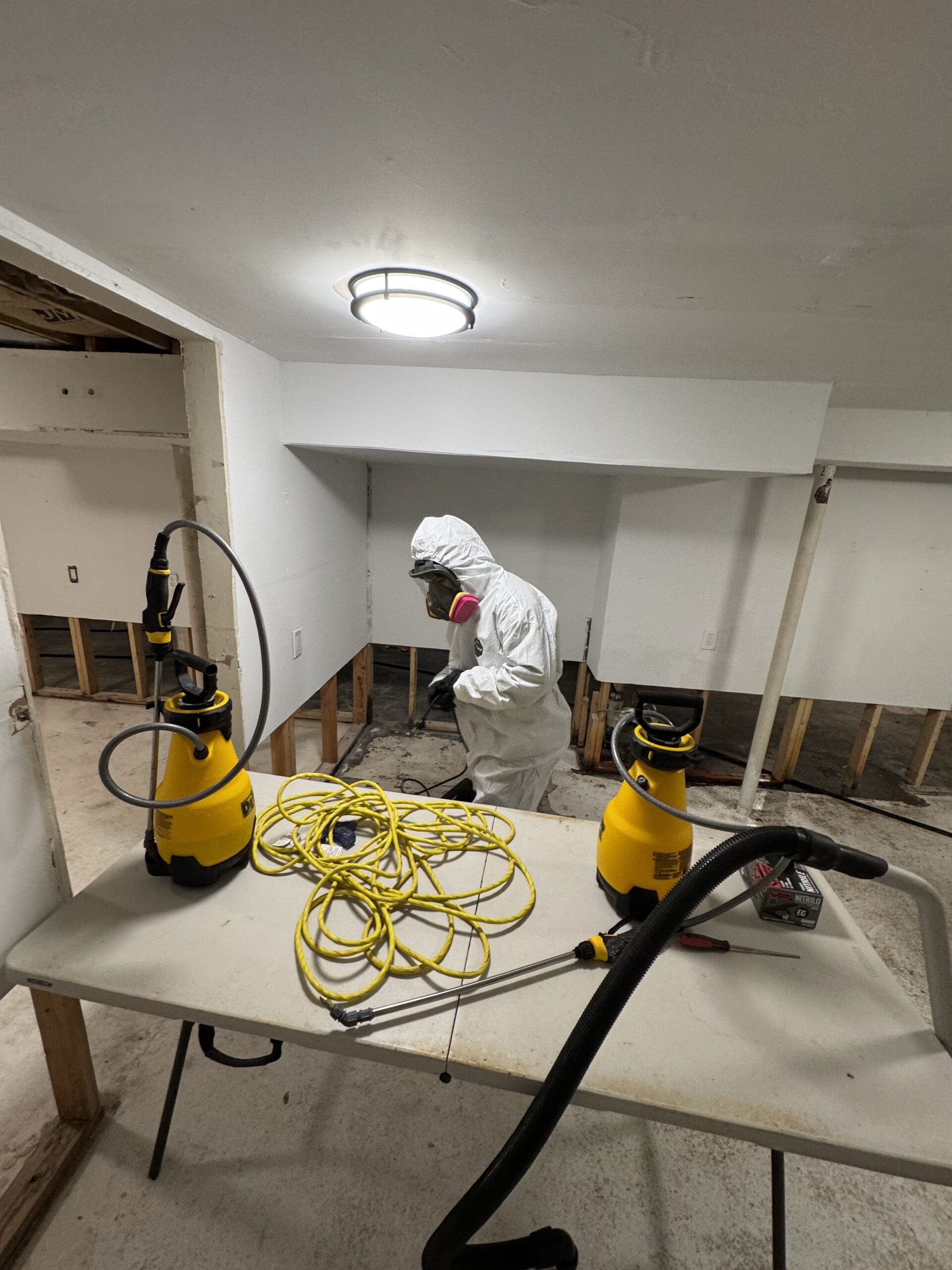
One of the biggest mistakes property owners make after a water event is assuming the problem is smaller than it really is. A floor may look dry on the surface while the underlayment remains wet. A ceiling stain may appear minor while moisture is still present above it. A basement may seem to recover once the water is removed, but the materials around the affected area may still be holding moisture.
Quick action matters because delay can lead to more damage, more disruption, stronger odors, and a higher chance that moisture-related environmental issues follow. In many properties, the most important part of the response is not just removing visible water. It is understanding where the water went and which materials were affected before those conditions have more time to worsen.
That is why water damage restoration is often less about panic and more about prompt, informed action.
Roof leaks, attic moisture, and venting-related water concerns
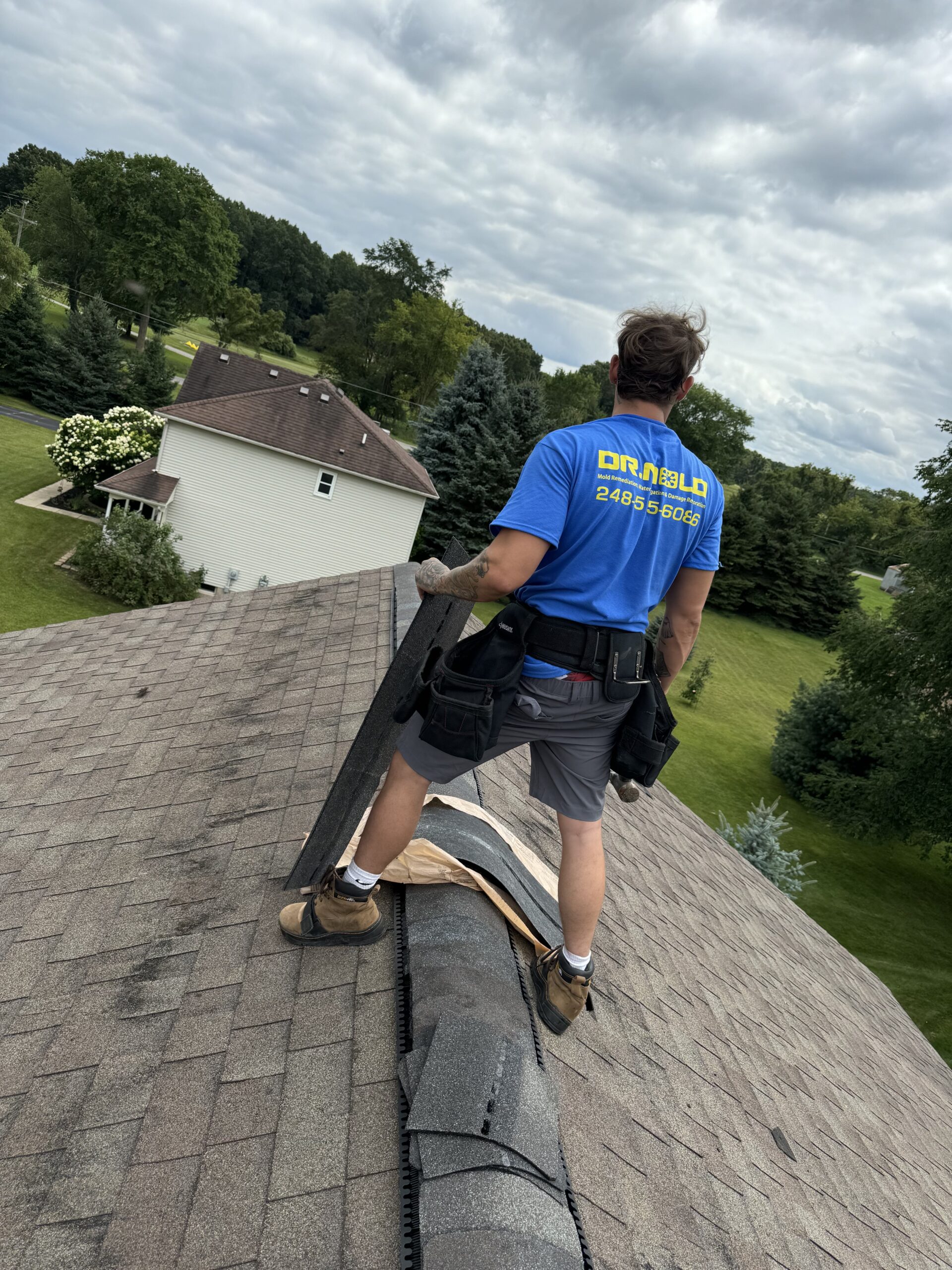
Not all water damage starts at ground level. Roof leaks, condensation issues, and poor venting can affect attics, insulation, roof decking, ceiling materials, and wall cavities long before the full extent of the issue becomes visible. Property owners may first notice staining on an upper ceiling, a damp smell, insulation problems, or signs that moisture has been collecting over time.
These situations can be especially frustrating because the visible damage inside may seem disconnected from the actual source above. That is why restoration work often includes thinking beyond the stained spot itself and looking at the broader moisture pattern. When roof venting, attic conditions, or slow upper-level leaks are involved, acting early helps limit the spread of damage into finishes and structural materials below.
In practical terms, restoring the property responsibly means understanding the water path, not just the first surface where the damage showed up.
Why choose Dr. Mold MI for water damage restoration
Choosing the right water damage restoration company means working with a team that can respond quickly, explain the situation clearly, and help you understand the practical next step without making the process feel more overwhelming than it already does. At Dr. Mold MI, we focus on responsive service, straightforward communication, and recommendations that make sense for the real condition of the property.
If you want to know more about our company, visit About Us, read our Reviews, browse our Frequently Asked Questions, or go directly to Contact Us.
Related services that may also help
A logical next step when water exposure has created mold conditions that need corrective work.
Helpful when you need a clearer evaluation of moisture-related conditions after a leak or water event.
Useful when water damage raises concern about hidden mold or ongoing moisture-related contamination.
Helpful when odors or broader indoor environmental concerns remain after water damage.
Another important lower-level environmental service for homes across Southeast Michigan.
Useful in crawl spaces and moisture-prone areas where long-term dampness contributes to property problems.
Serving Metro Detroit and Southeast Michigan
Water damage restoration is a regional need because homes and buildings across Metro Detroit and Southeast Michigan face a wide range of water intrusion risks, from basement seepage and plumbing failures to roof leaks and storm-related moisture. Dr. Mold MI serves properties across Oakland County, Macomb County, Wayne County, and Washtenaw County with responsive, customer-focused restoration support.
We also serve communities throughout the region, including Royal Oak, Birmingham, Troy, Novi, Livonia, Ann Arbor, Northville, Southfield, West Bloomfield, and Sterling Heights.
If you are in the surrounding service area and are not sure how serious the water damage may be, our team can help you understand the situation and the right next step.
Frequently asked questions about water damage restoration
Need clear help with water damage in your property?
Water damage restoration helps you move from disruption to a practical next step. If you are dealing with leaks, wet materials, staining, basement water, roof-related moisture, or uncertainty about what was affected, Dr. Mold MI is ready to help.
Request service or send us a message
Use the form below to request an estimate, ask a question, or tell us more about your mold, water damage, inspection, or testing needs in Metro Detroit.
Need help now?
Call Dr. Mold for responsive help with mold remediation, water damage restoration, inspections, testing, and related service questions.
Call Now